
COMPANY
Futech Interactive
ROLE
Creative Director
YEARS
1998 – 2000
Creative Director
1998 – 2000
Futech Interactive
Creative Director
1998 – 2000
Design Team
Editorial Team
Development Team
Created oKID Brand
Managed Team of 26
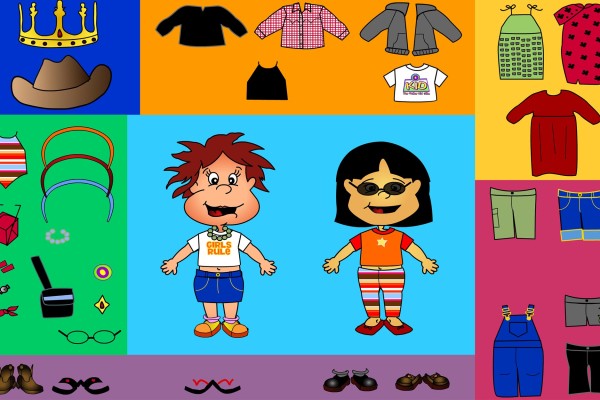
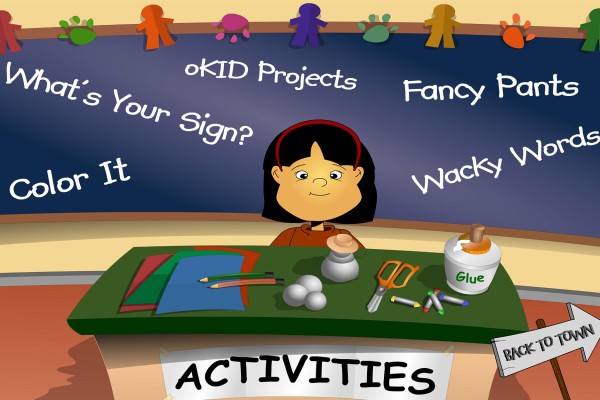
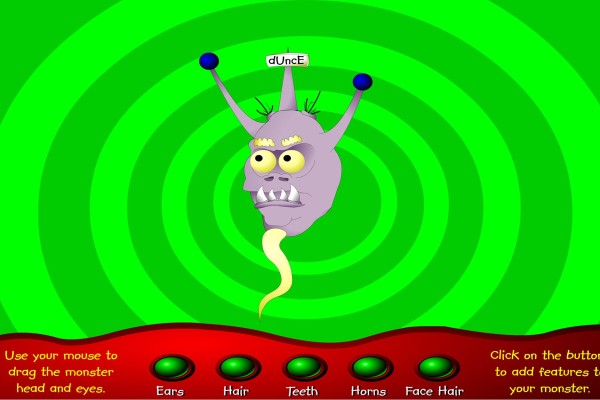
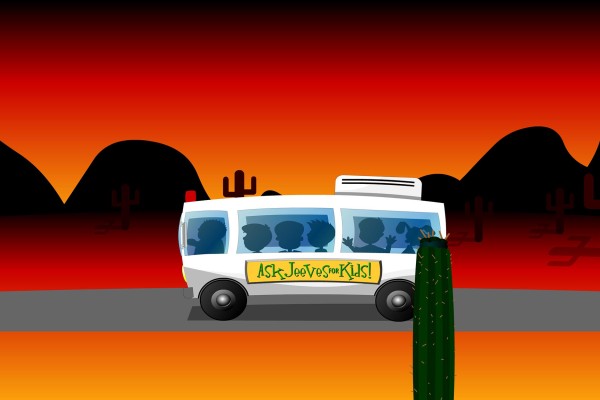
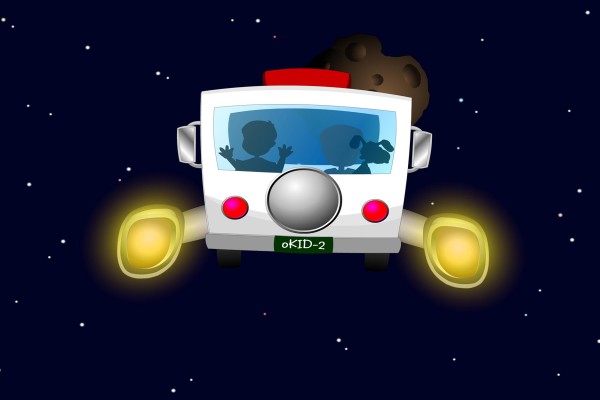
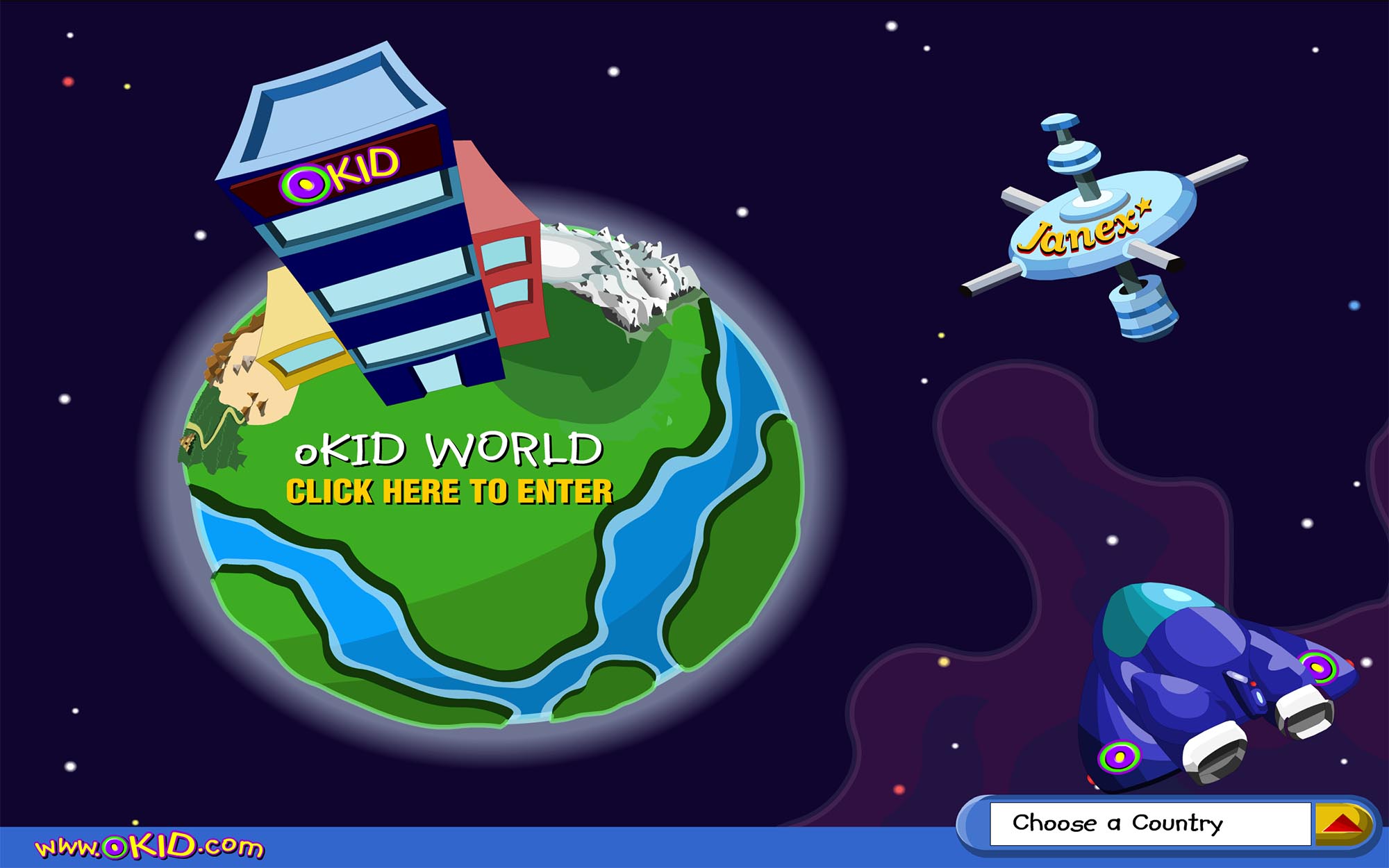
oKID.com was one of the first fully interactive, virtual worlds on the internet. I conceived the site, designed the brand and directed its development while employed at Futech Interactive Products in Phoenix, Arizona from 1998 through 2000.
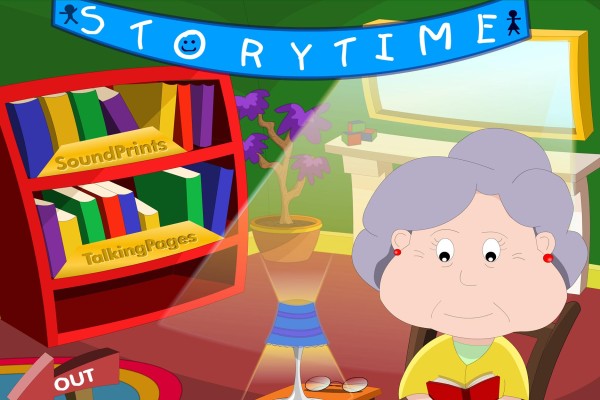
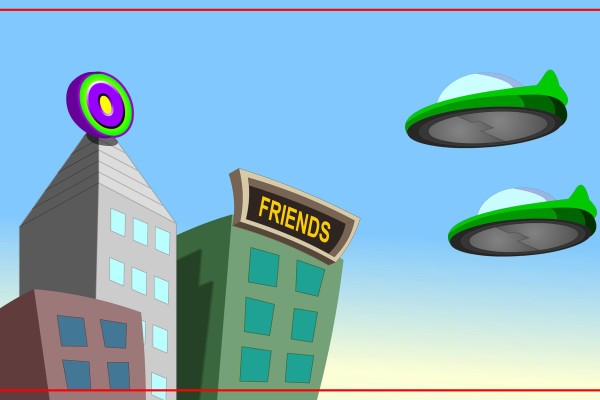
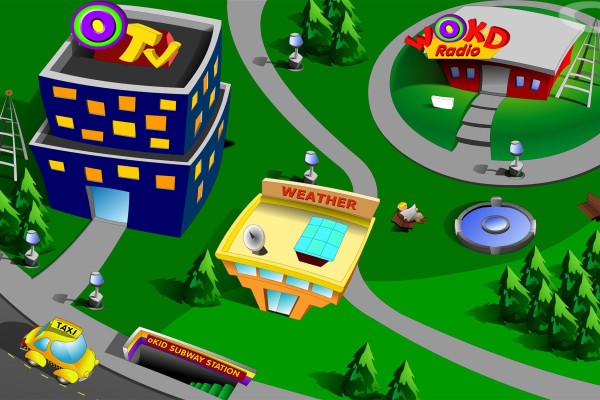
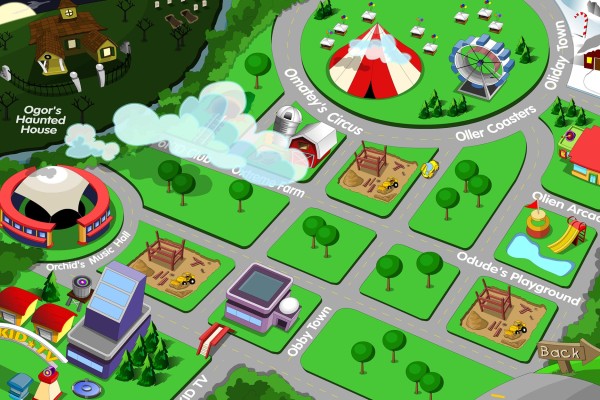
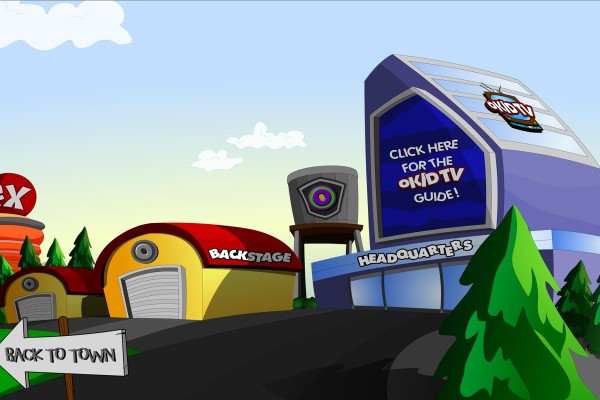
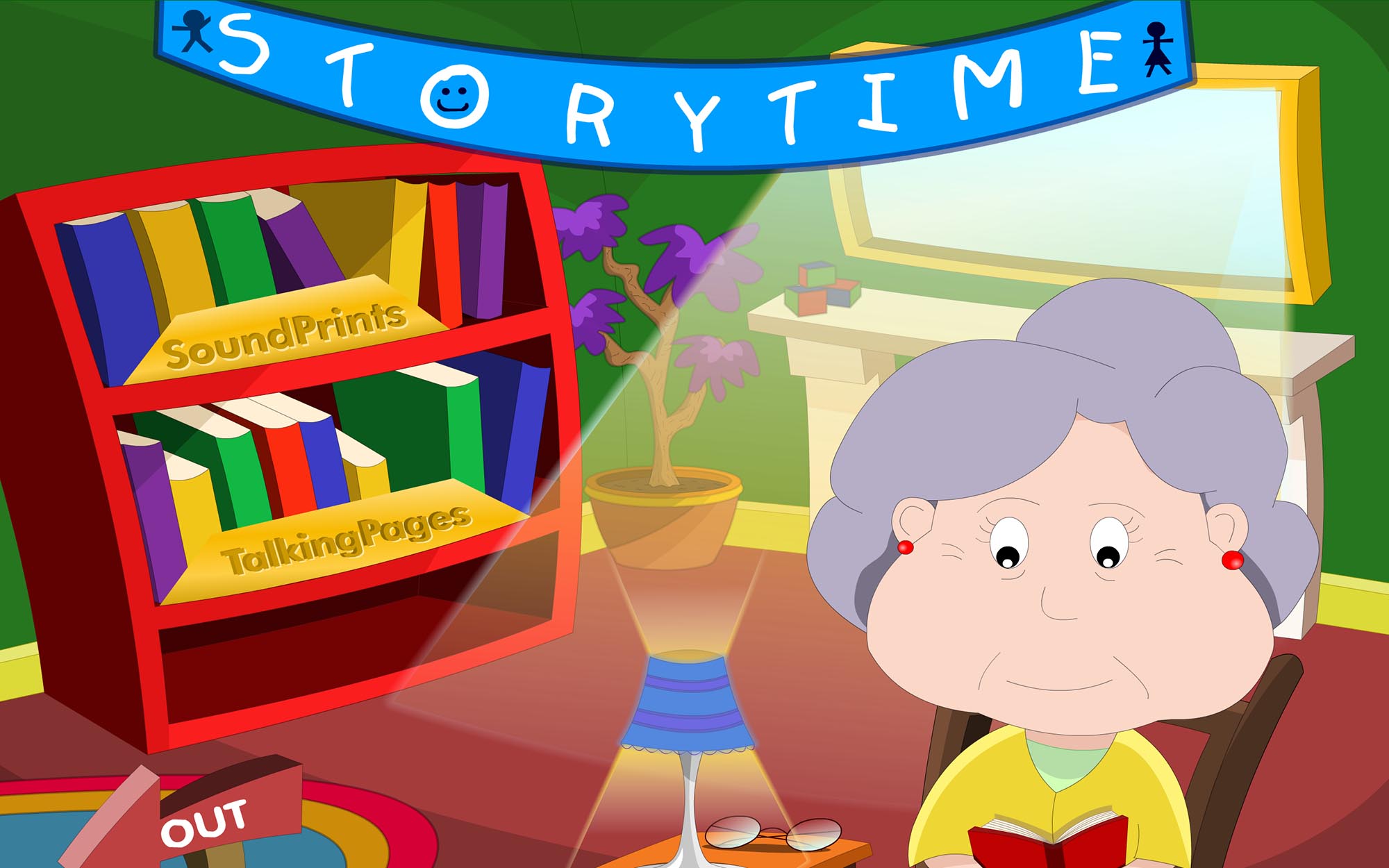
In 1998, I was hired as “web employee number one” at a children’s toy, game and book company called Futech Interactive Products based Phoenix, Arizona. I was tasked by the CEO to create a virtual bookshelf where website visitors could click a book, preview it and add it to their shopping cart. With a personal mantra of always going the extra mile, I created an interactive and animated virtual store (not just a bookshelf) and showed it to the CEO. He was blown away and asked me to hire someone to help building more rooms onto the store. Of course, I didn’t just build more rooms, instead I created a virtual building with multiple floors and rooms. When he asked for another building, I created a town. With each iteration of the site I was asked to hire more people to expand it faster and faster.
Within a few months I was promoted to Creative Director and found myself hiring and managing dozens of designers, writers and programmers. I conceived and registered a new name for our growing destination, oKID.com. (Ahhh, the good old days when you could get a four letter domain name.)The CEO was actively raising venture capital while I managed the growth of this virtual world. The original version of oKID was created in Flash 2.0. However, when Flash 3.0 came out with ActionScript capabilities shortly into our development of the site the flood gates opened for new ideas and interactive content.
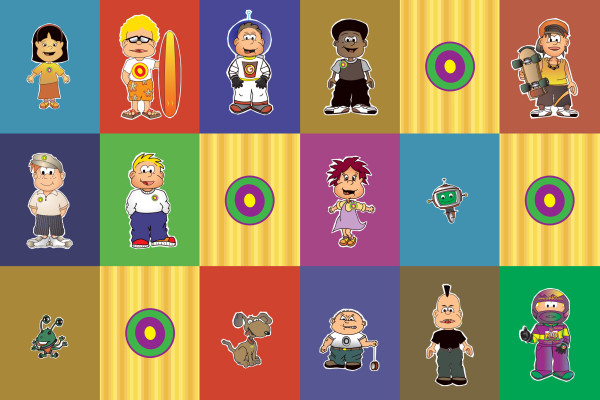
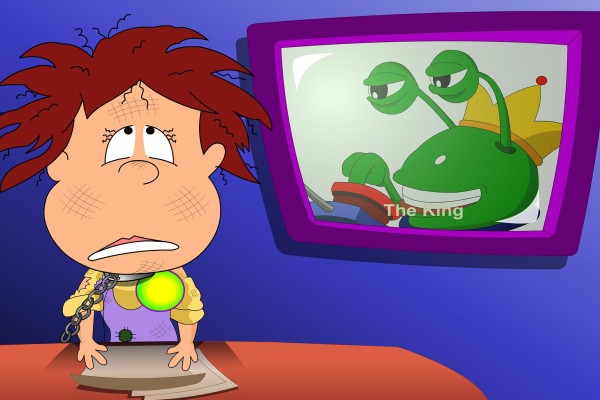
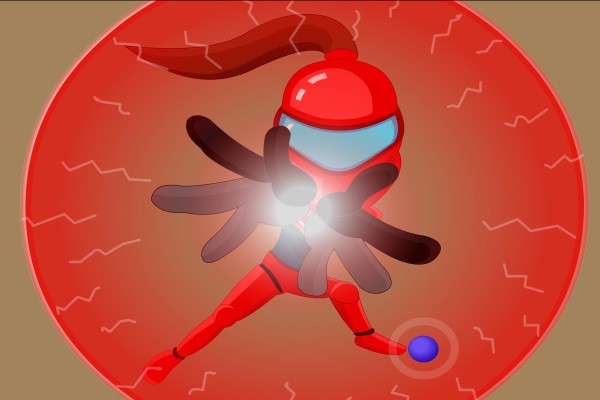
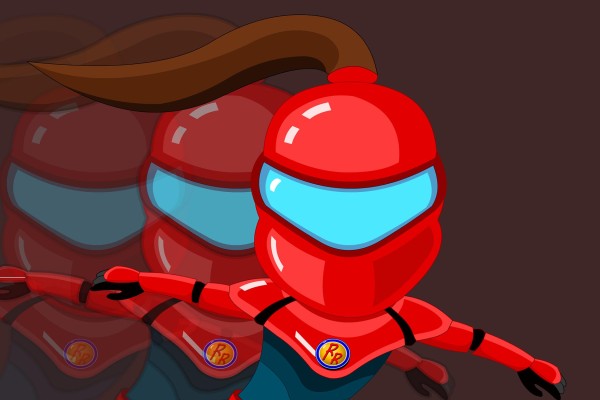
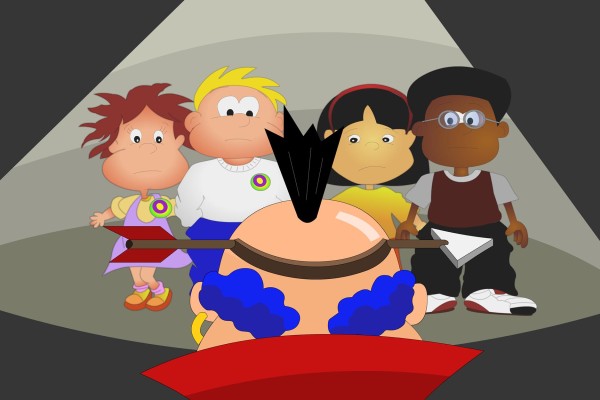
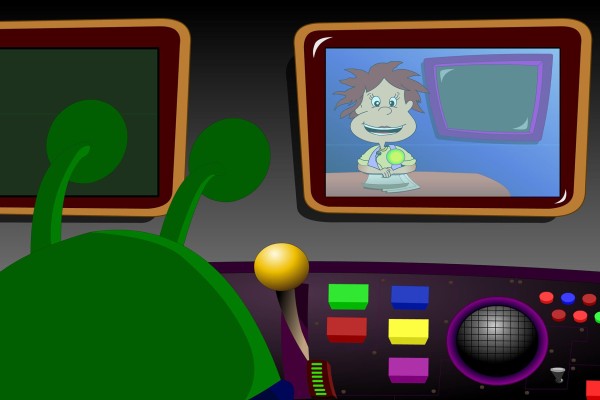
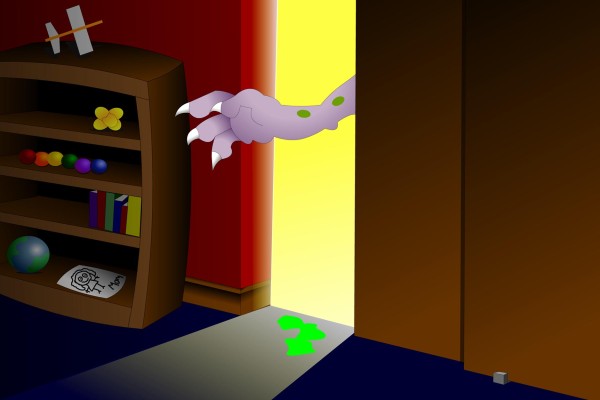
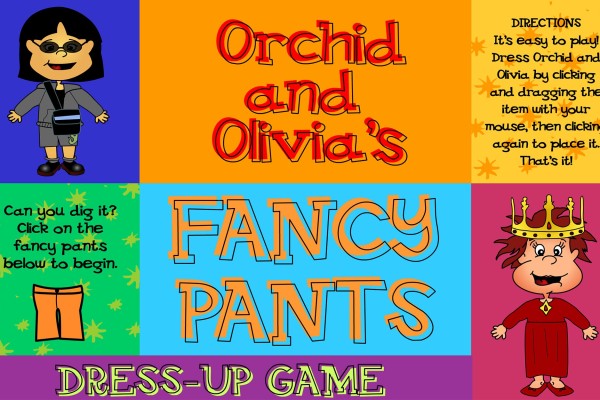
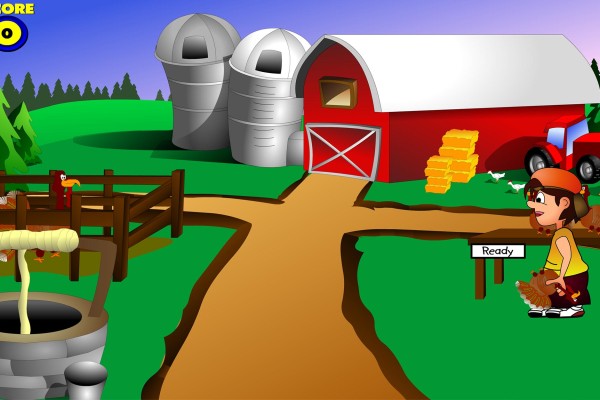
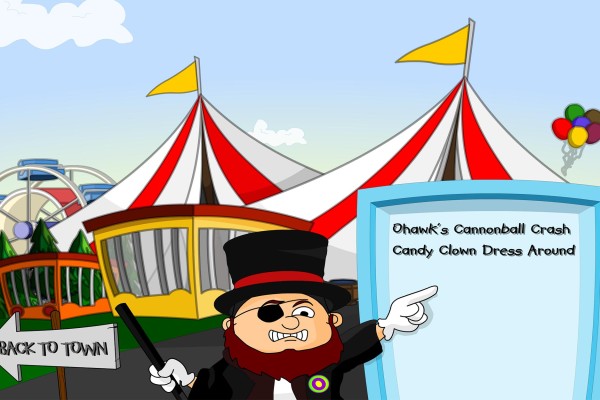
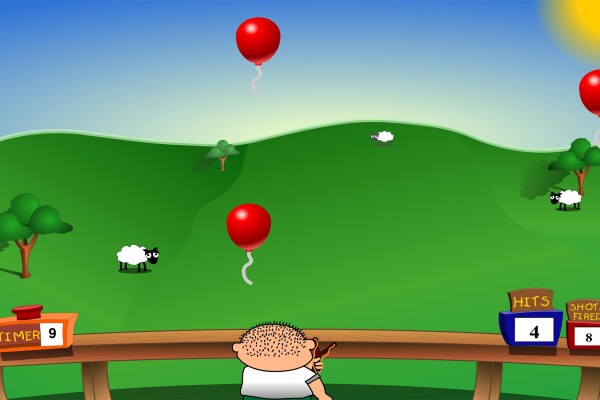
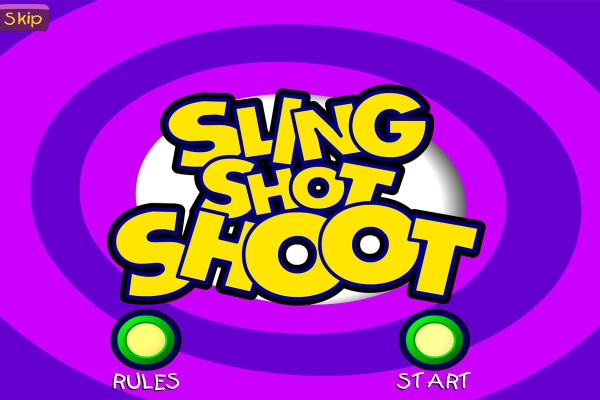
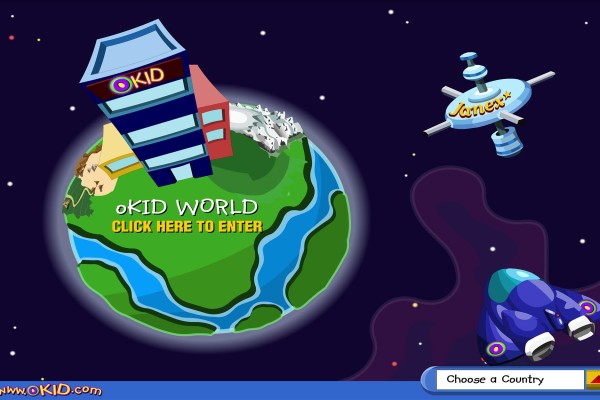
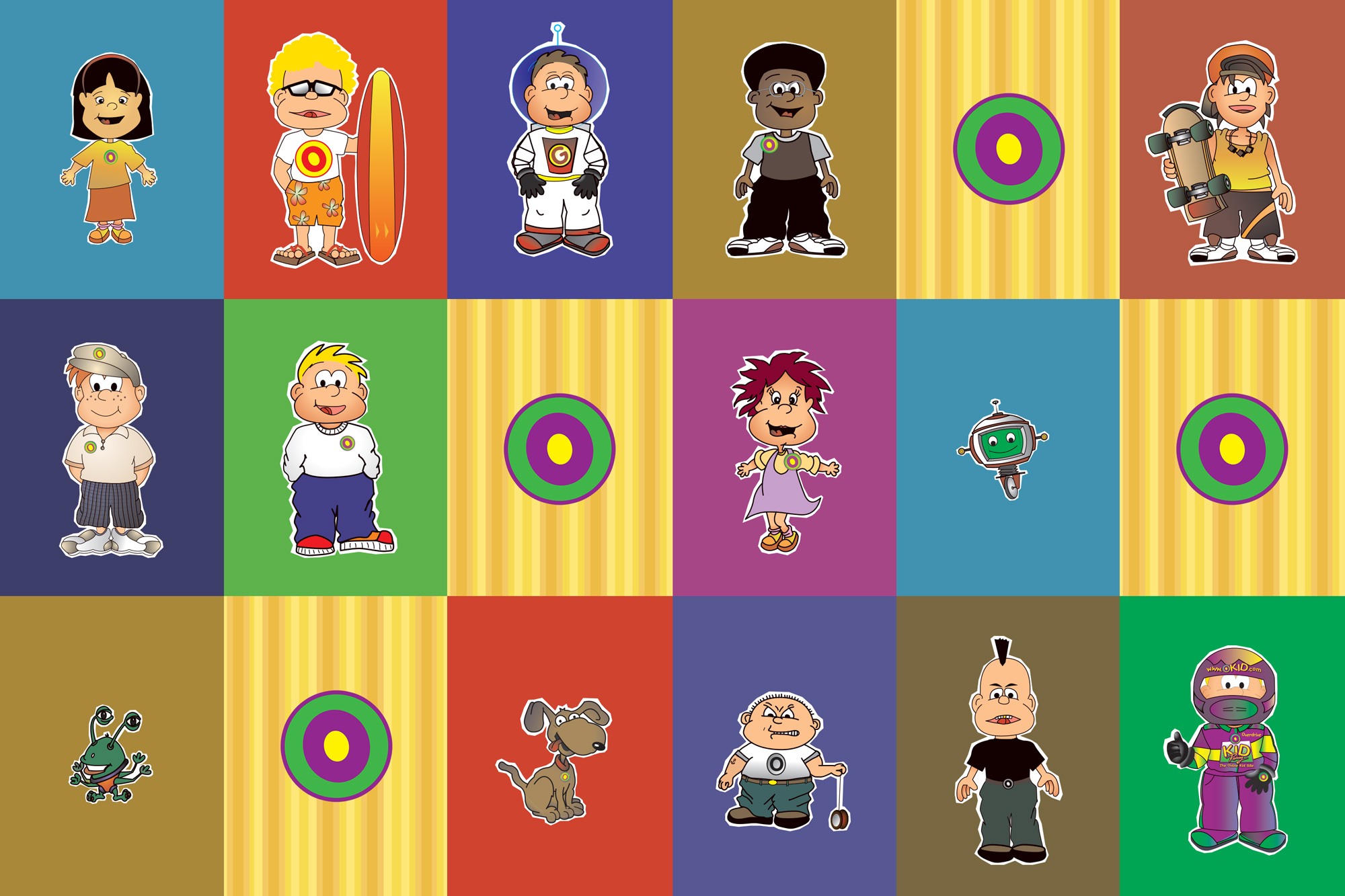
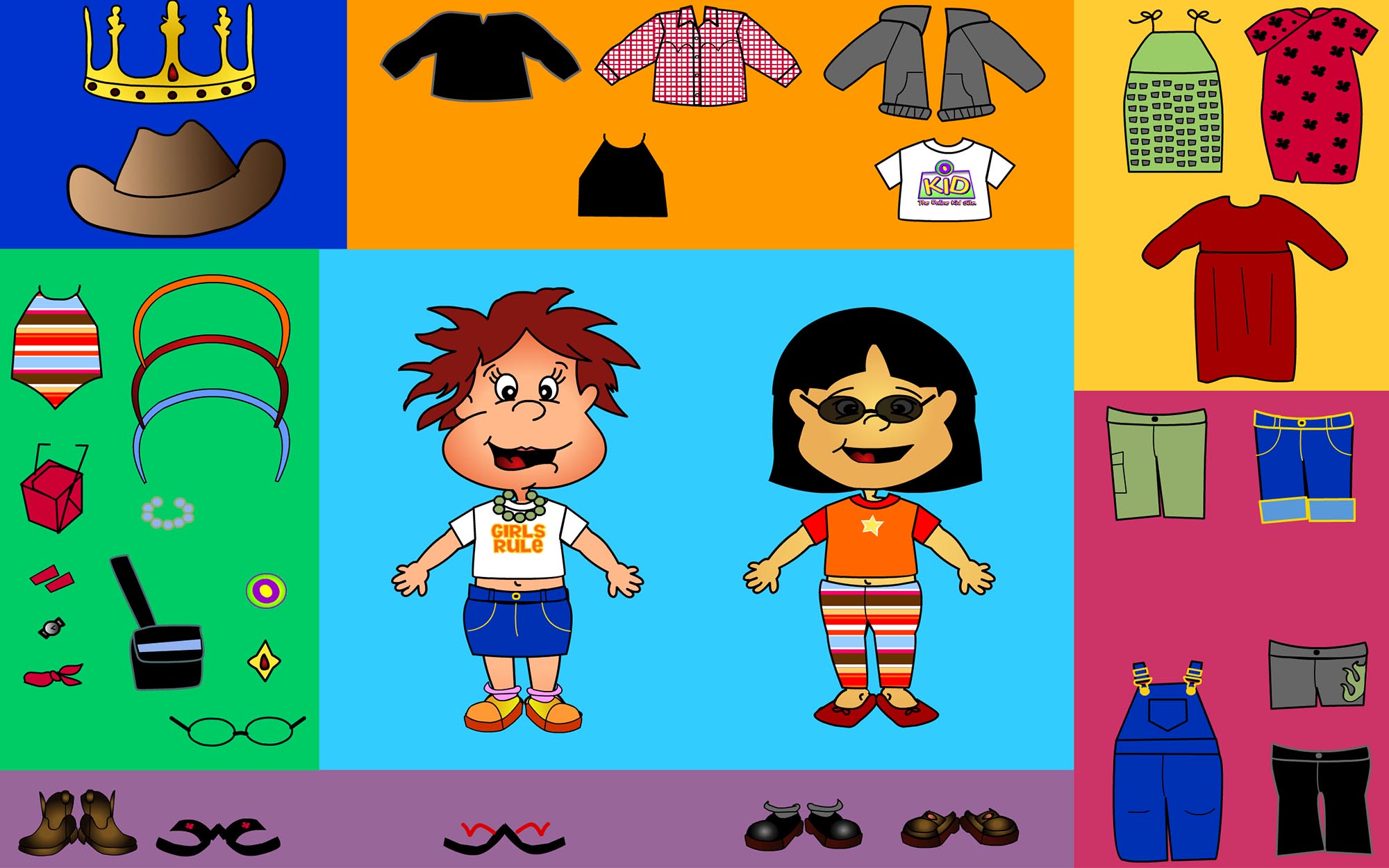
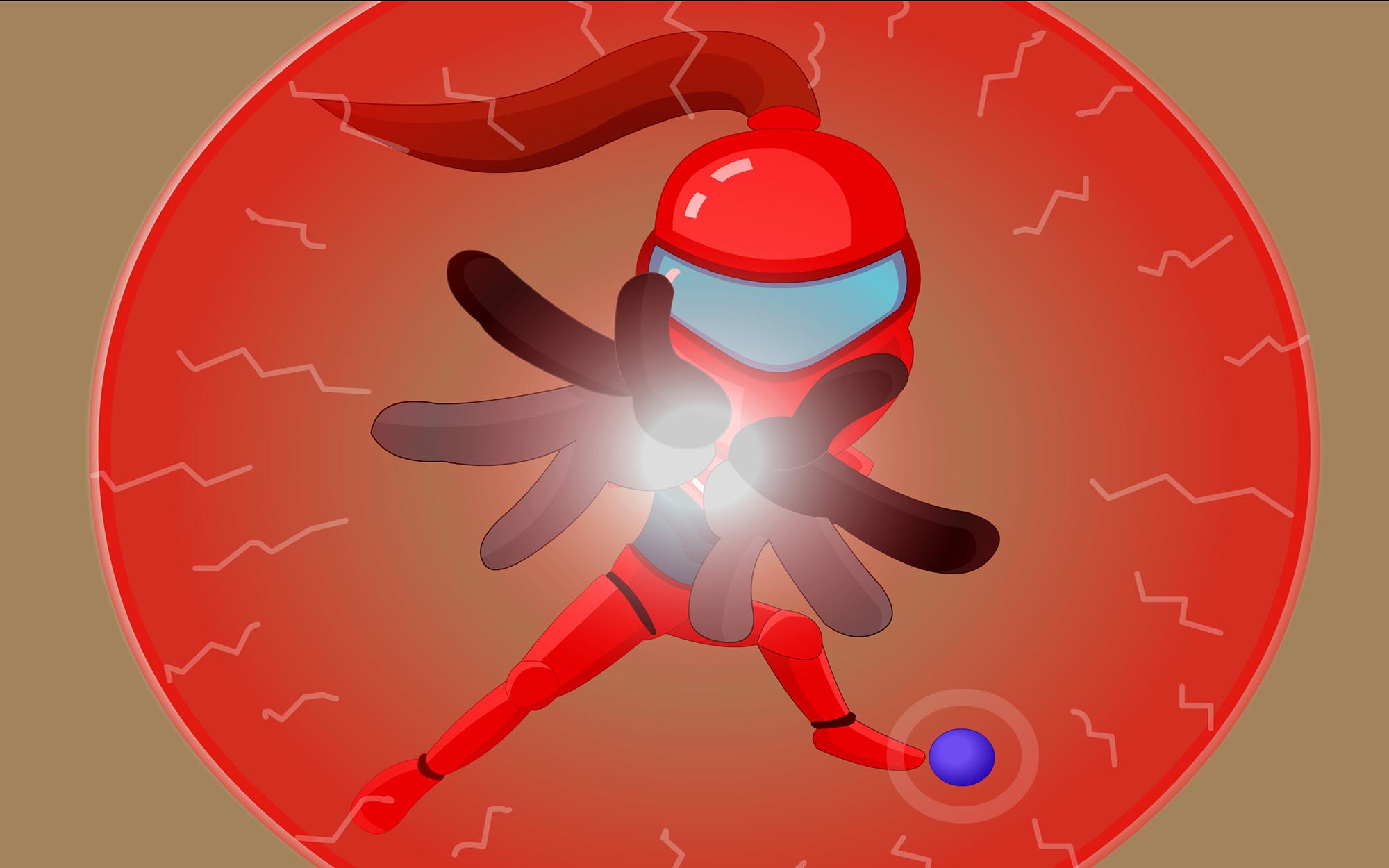
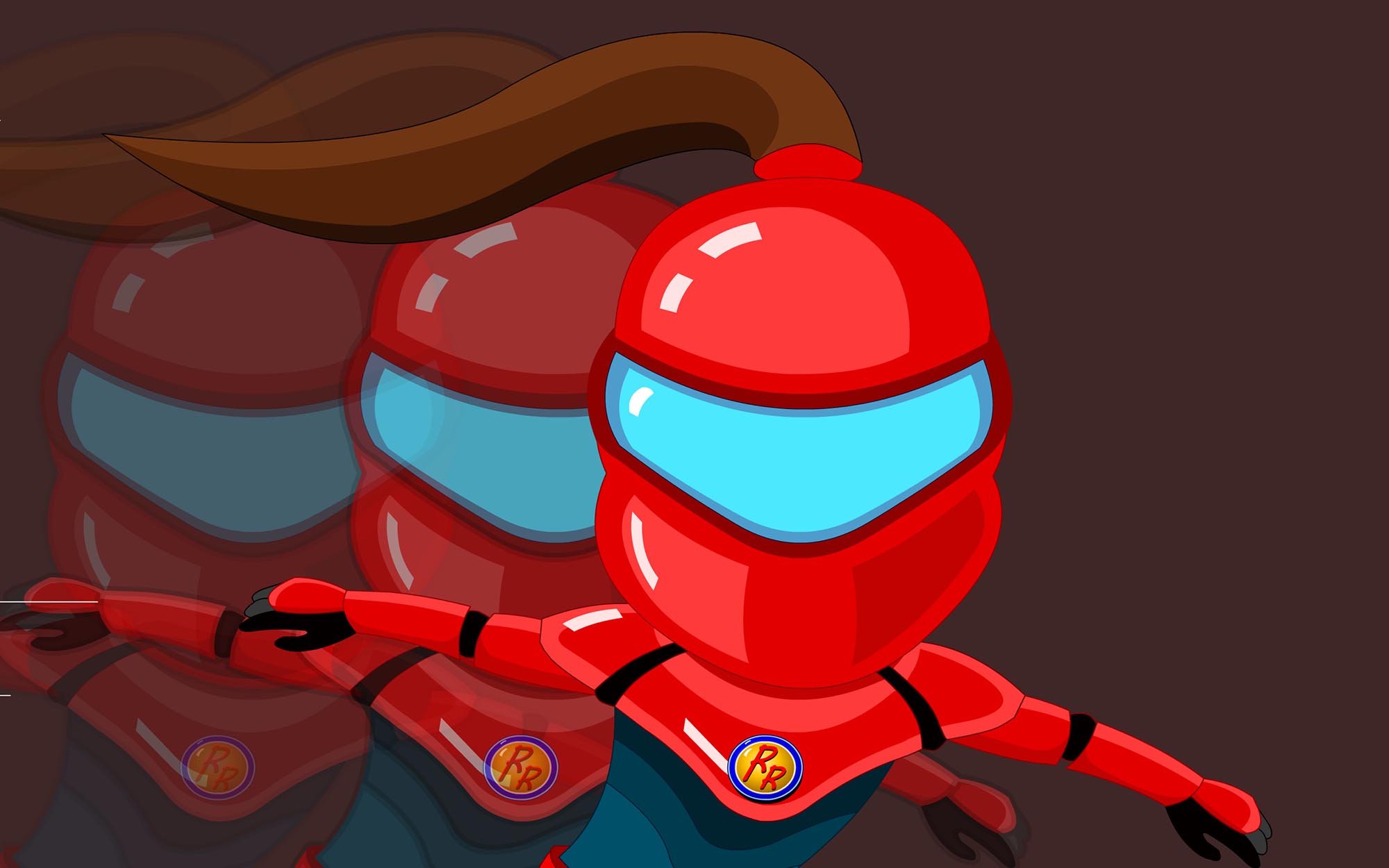
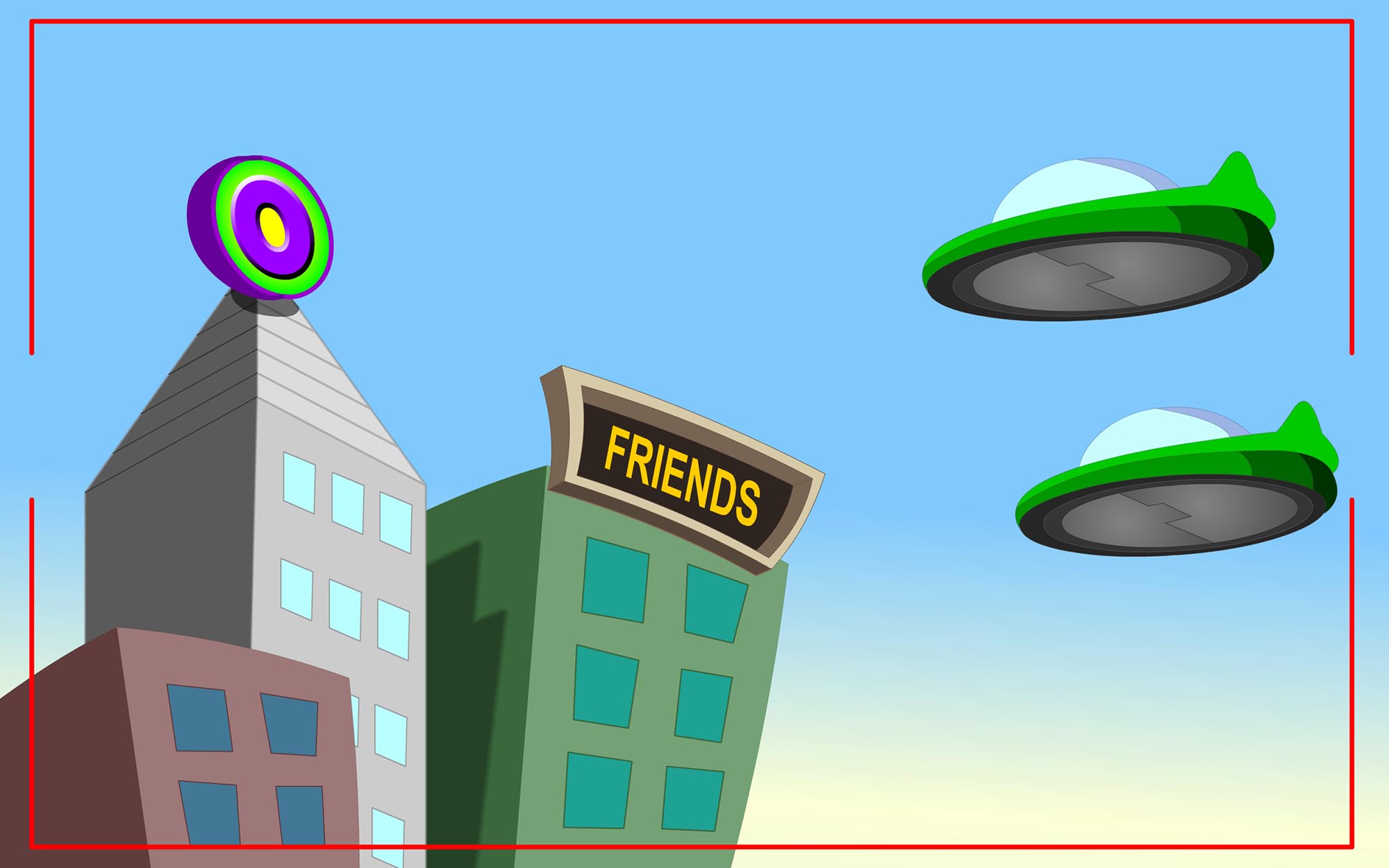
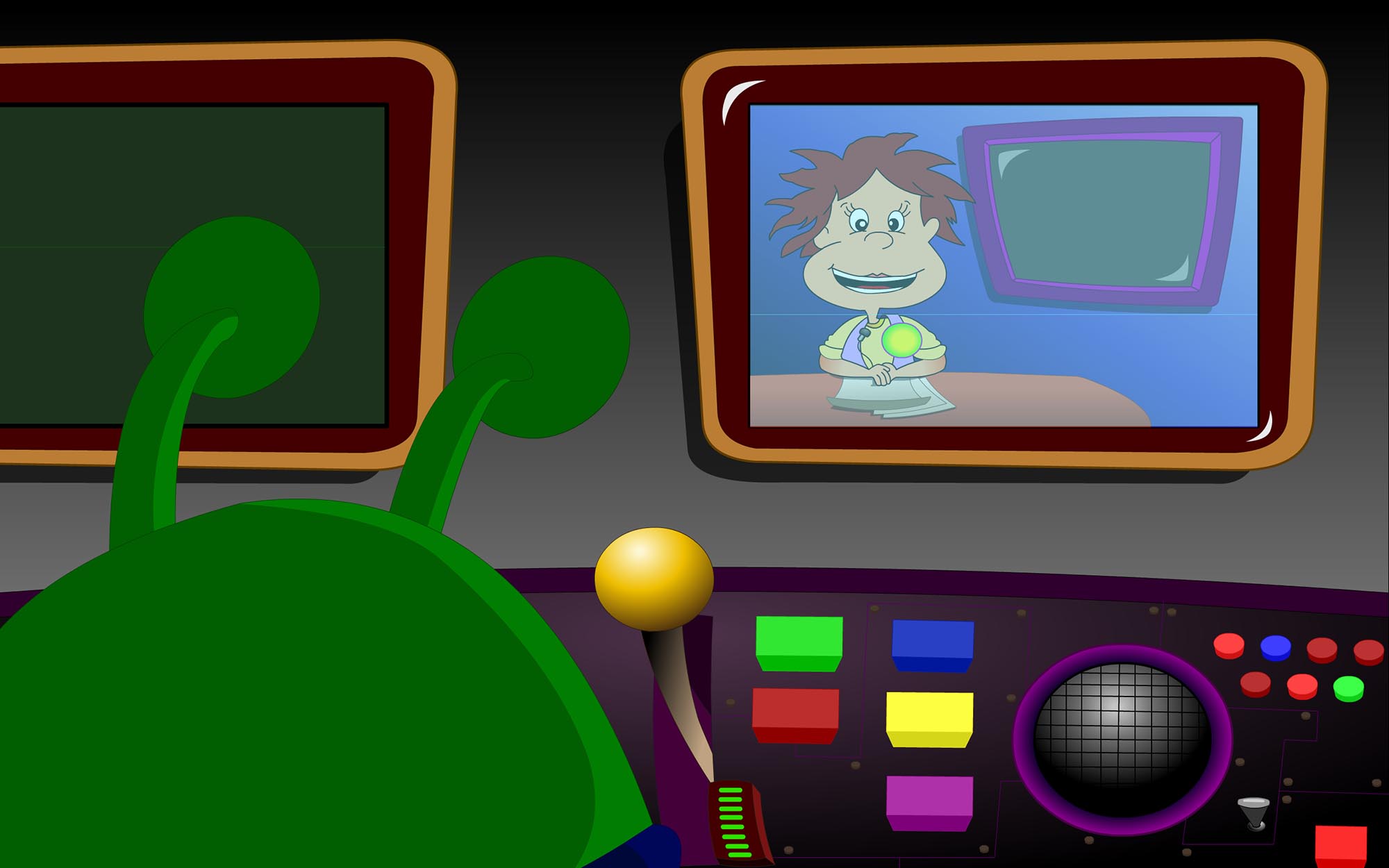
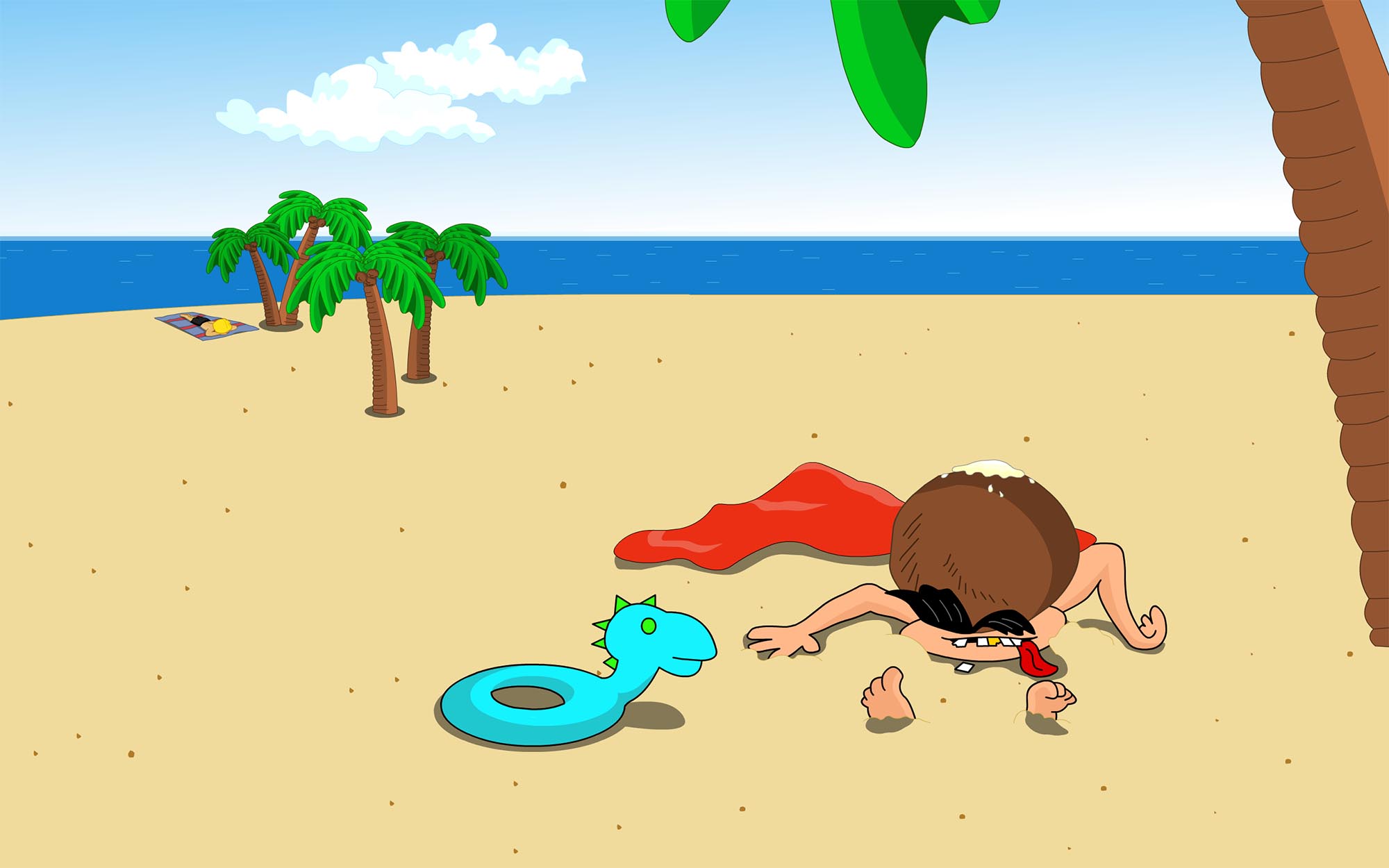
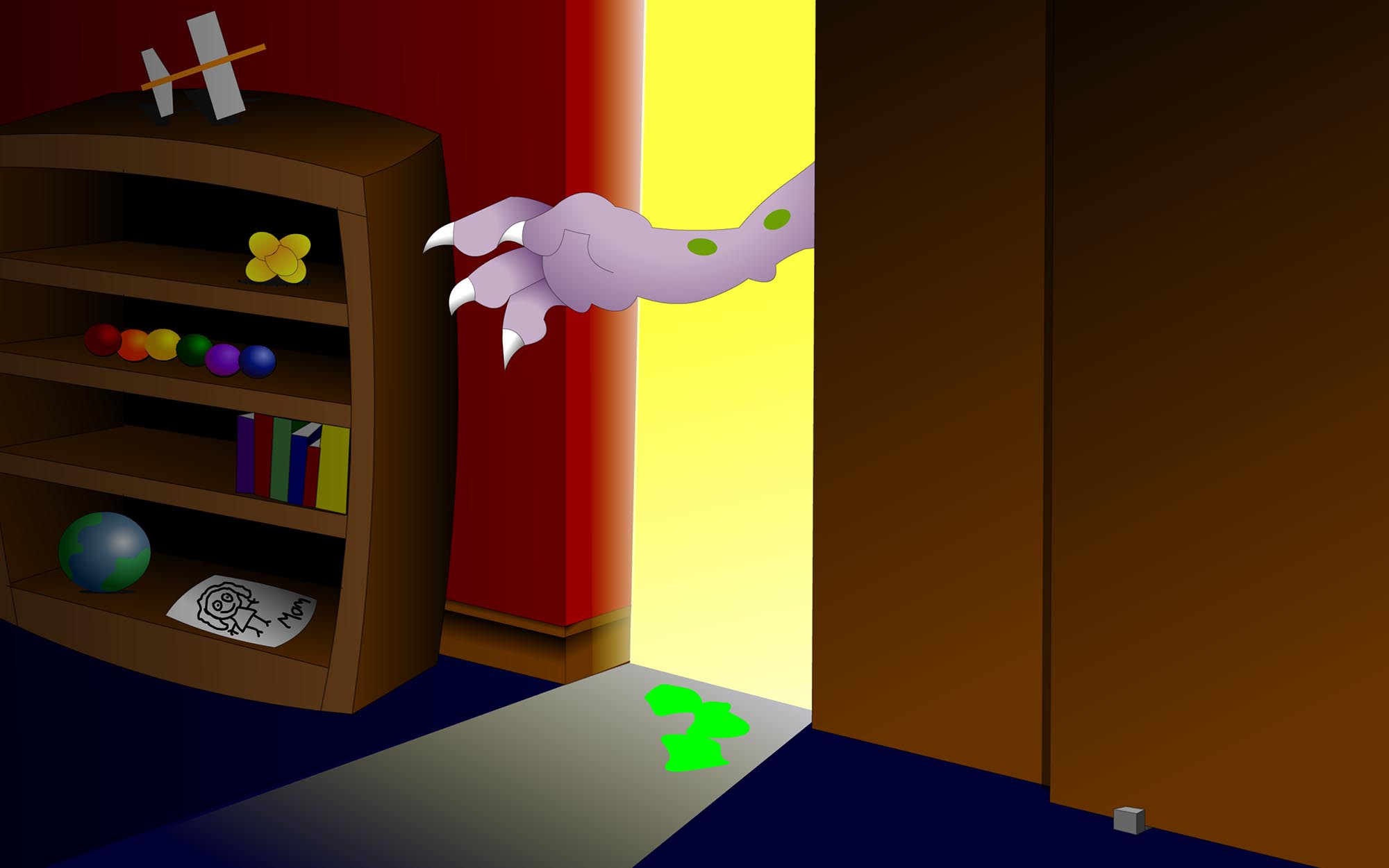
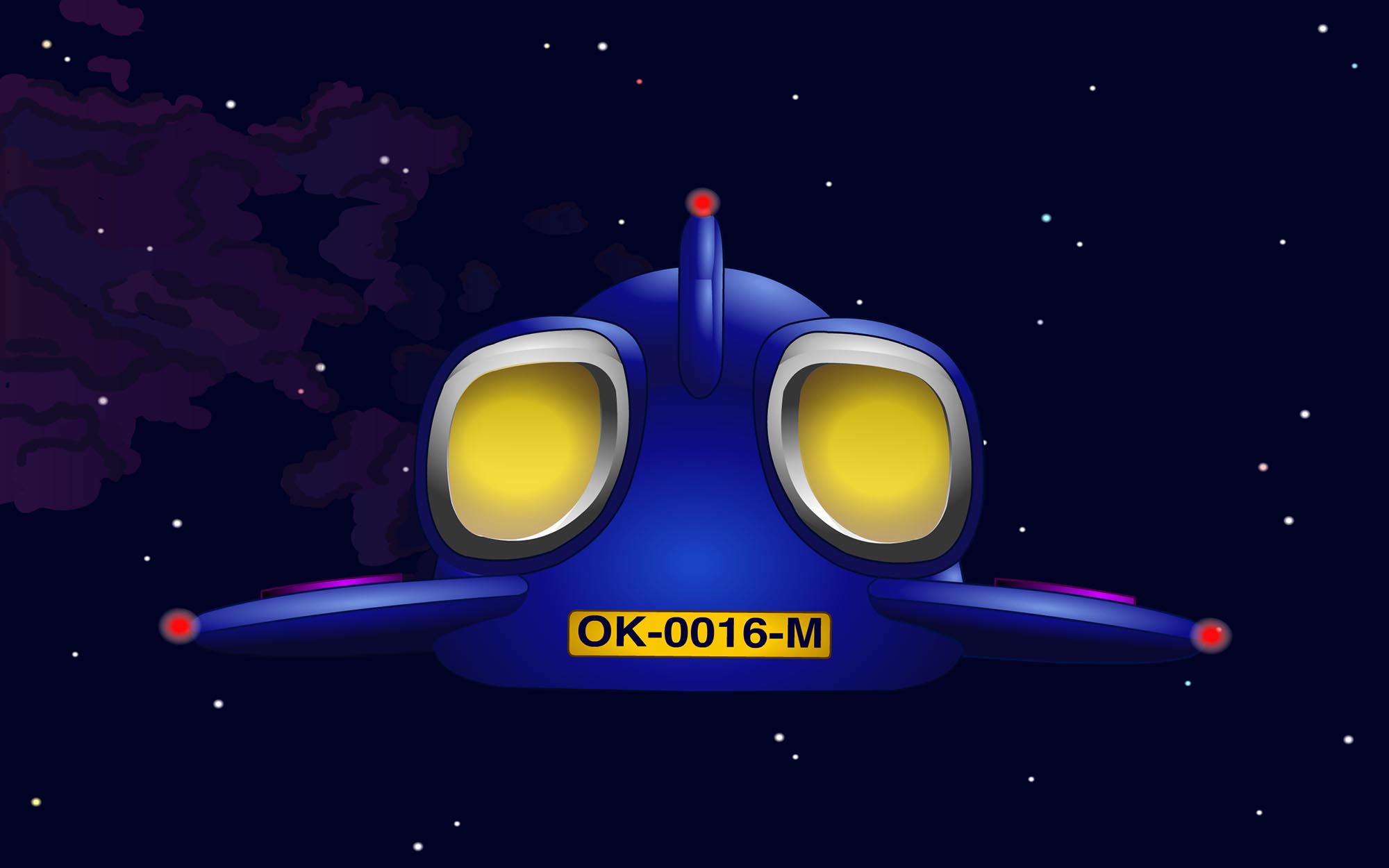
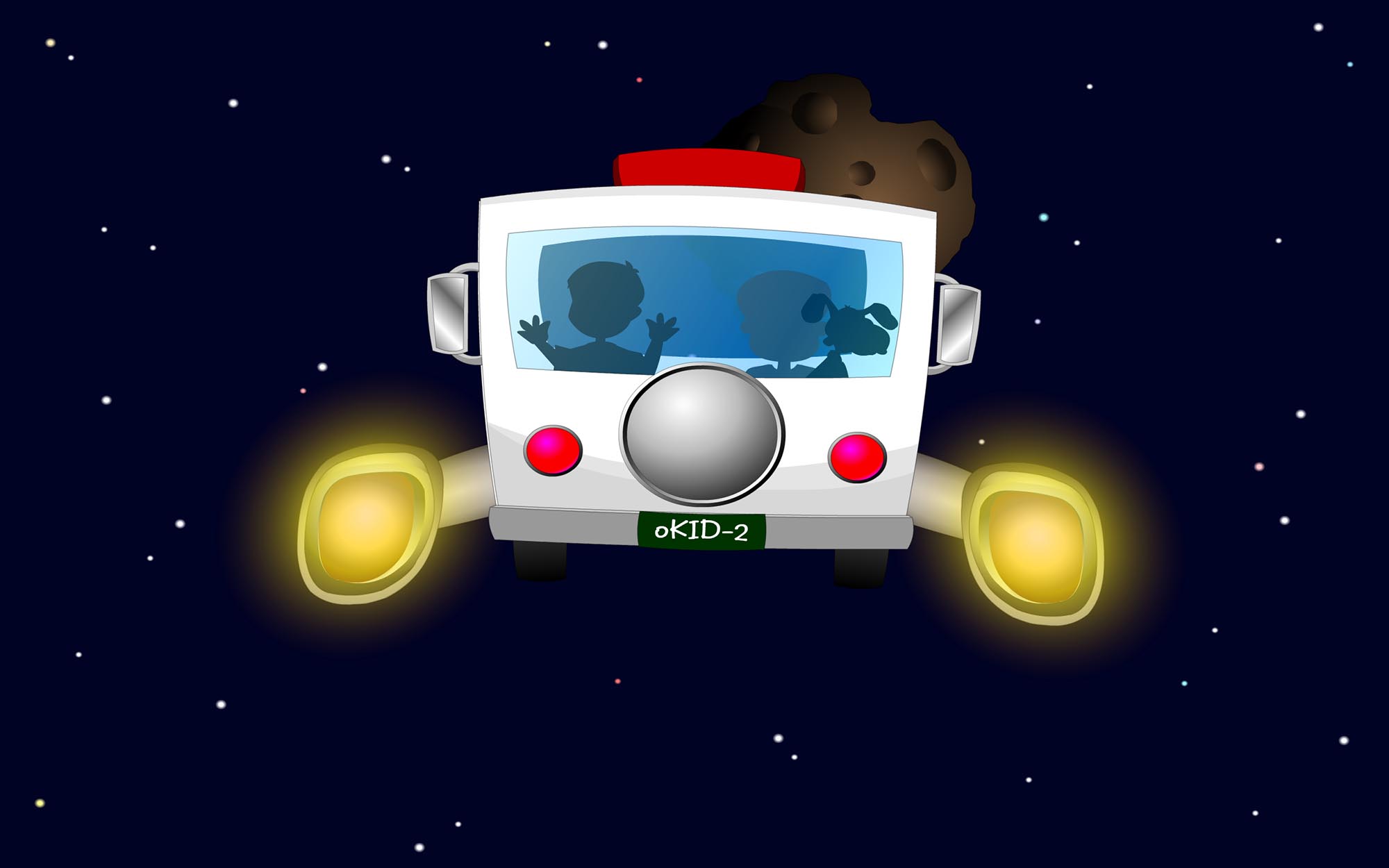
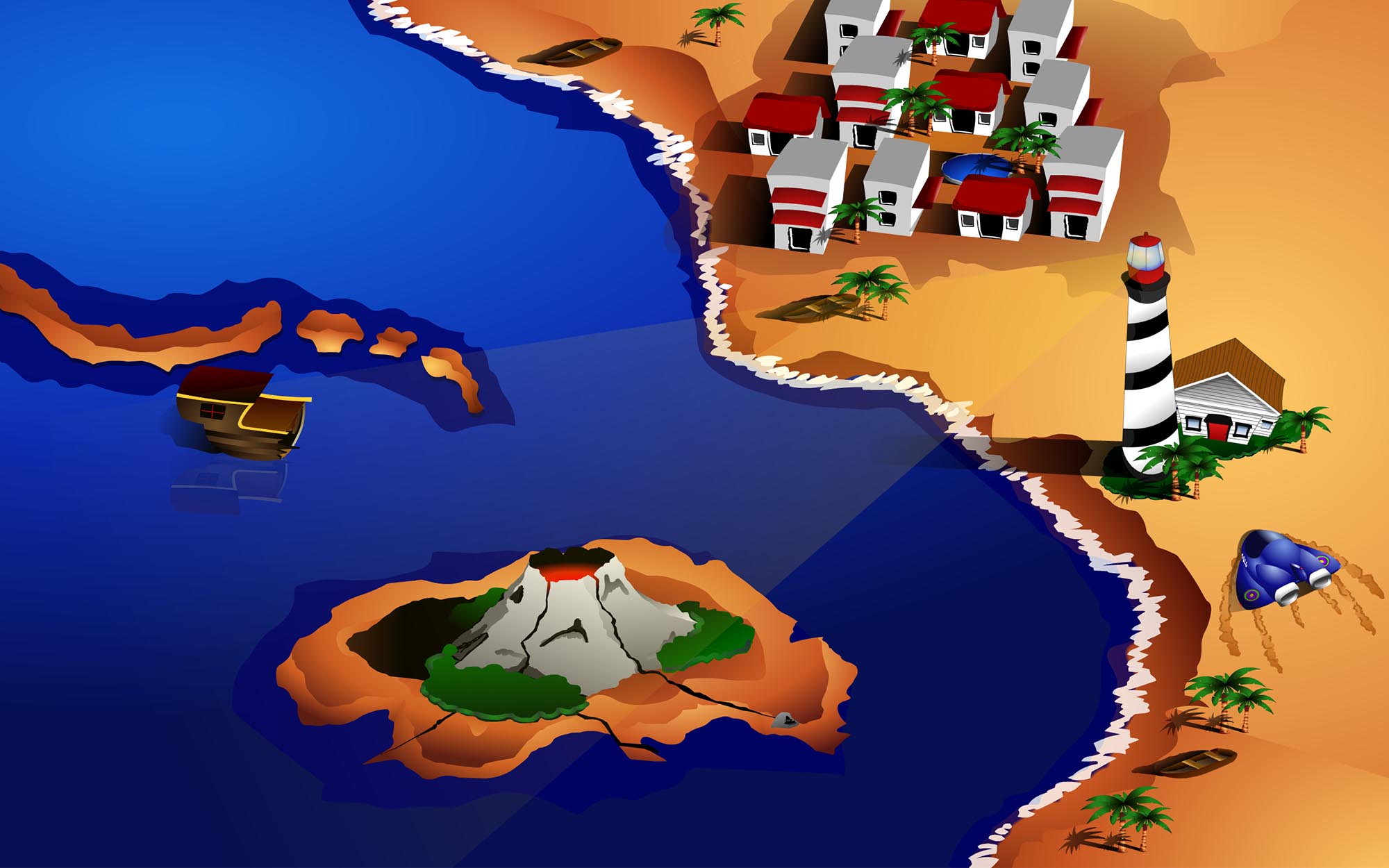
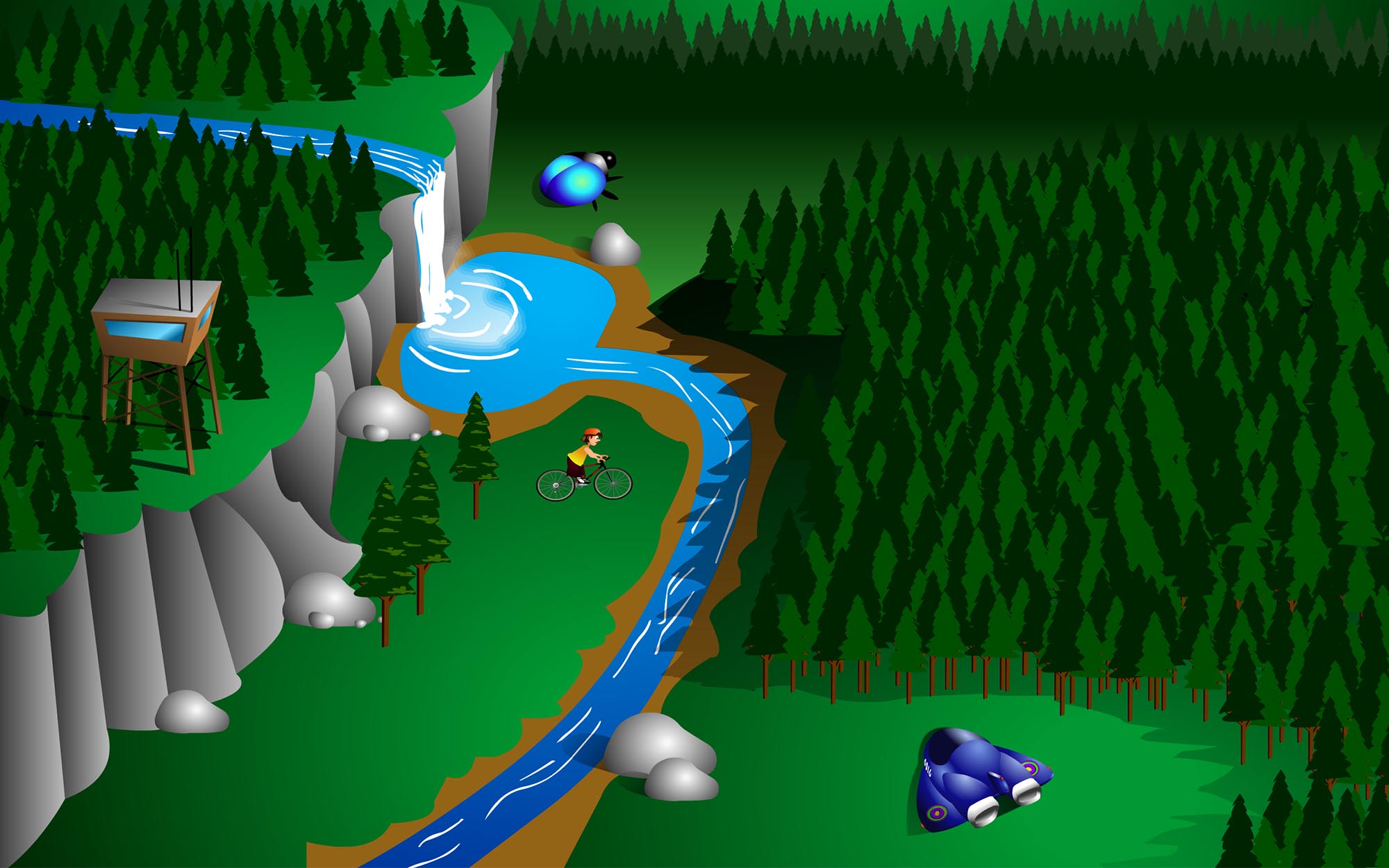
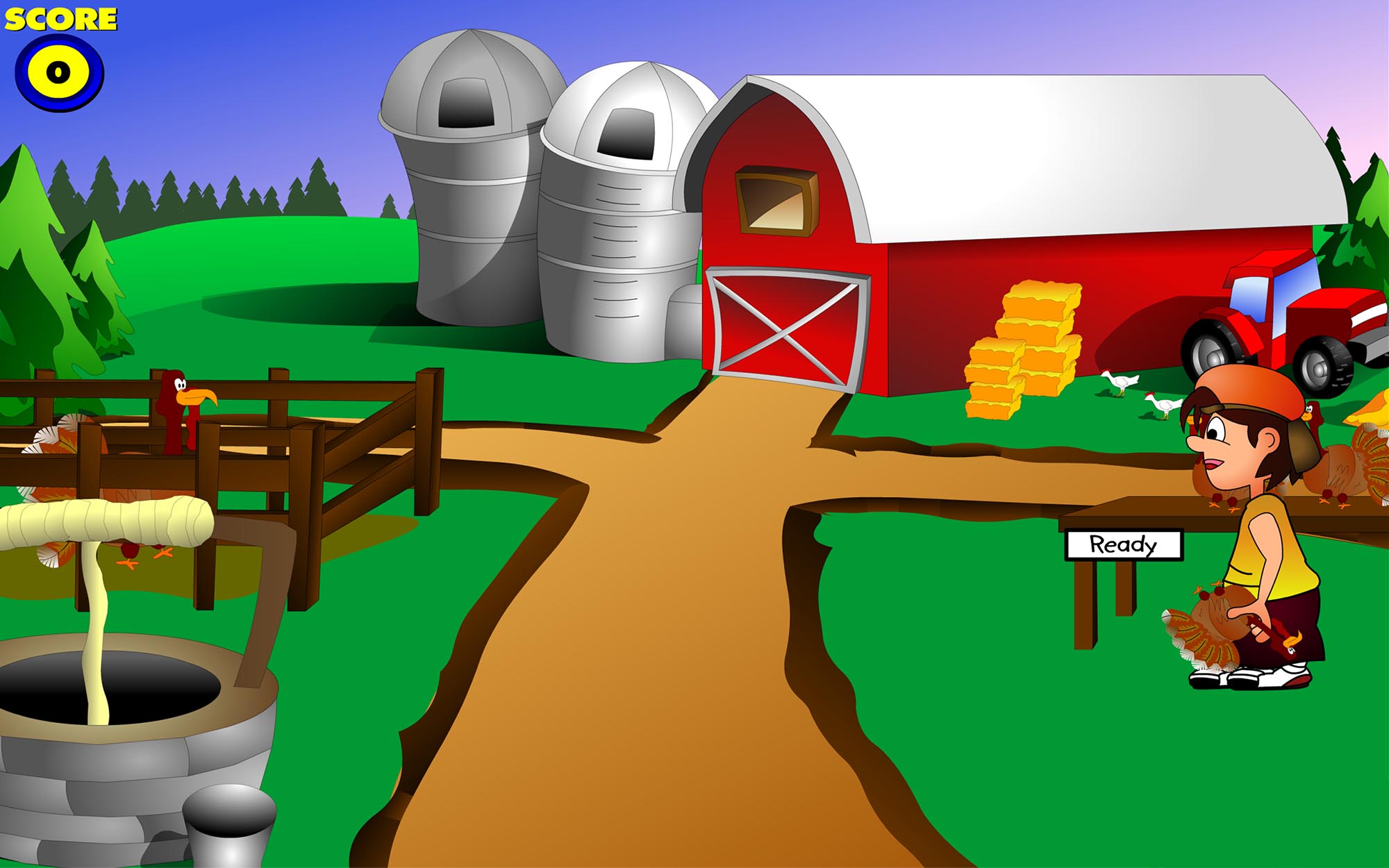
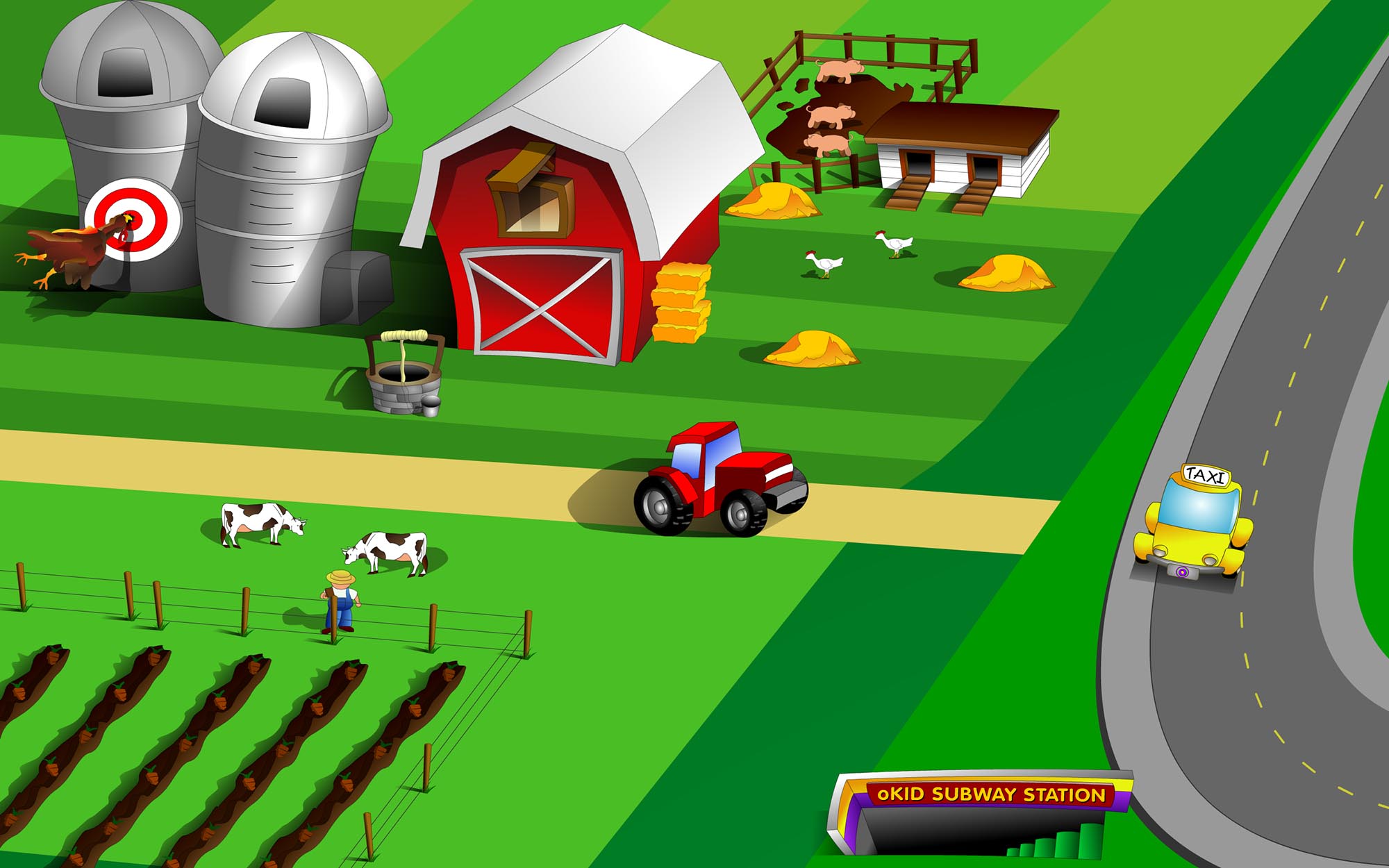
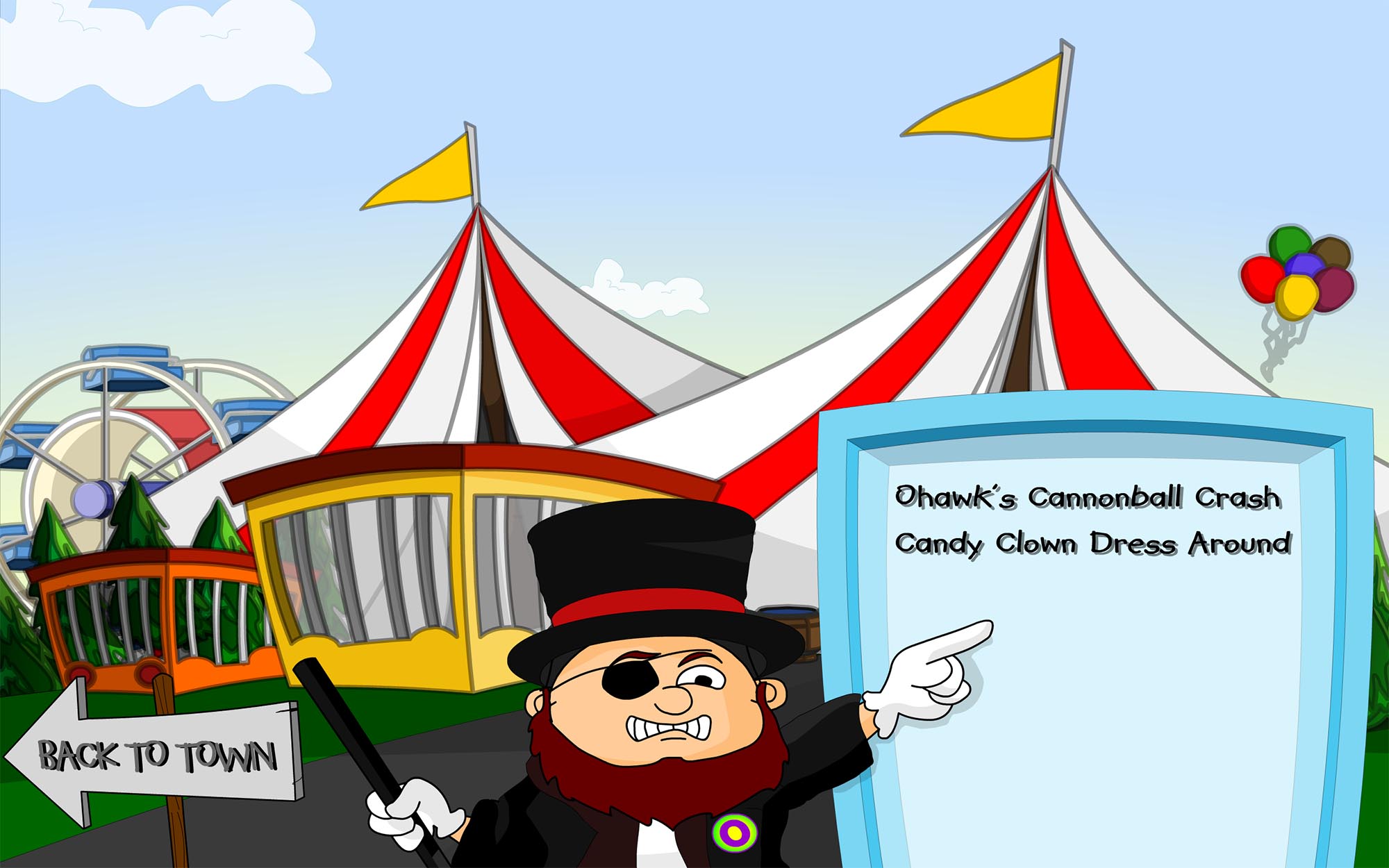
Ever expanding, oKID became an interactive planet filled with online games, cartoons, educational information and shopping integration. Under my direction, we created a cast of characters that represented the diversity of our planet. Owen, Otis, Orchid, Olivia, Omutt became the website visitors guide through the interactive content. In 1998, oKID was one of the first sites of its kind, a fully interactive virtual environment, rich, immersive and filled with engaging content.
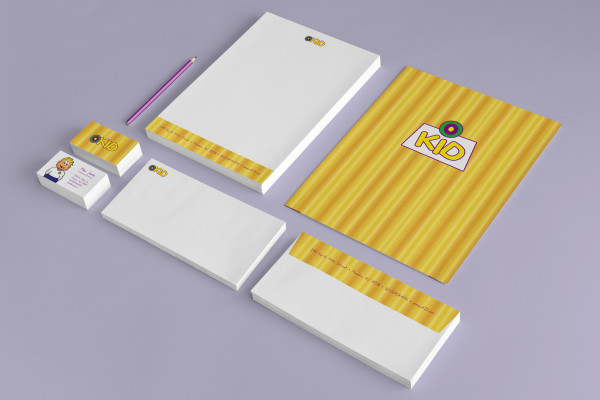
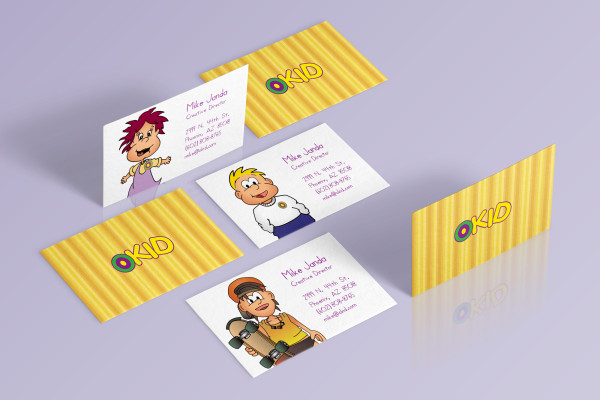
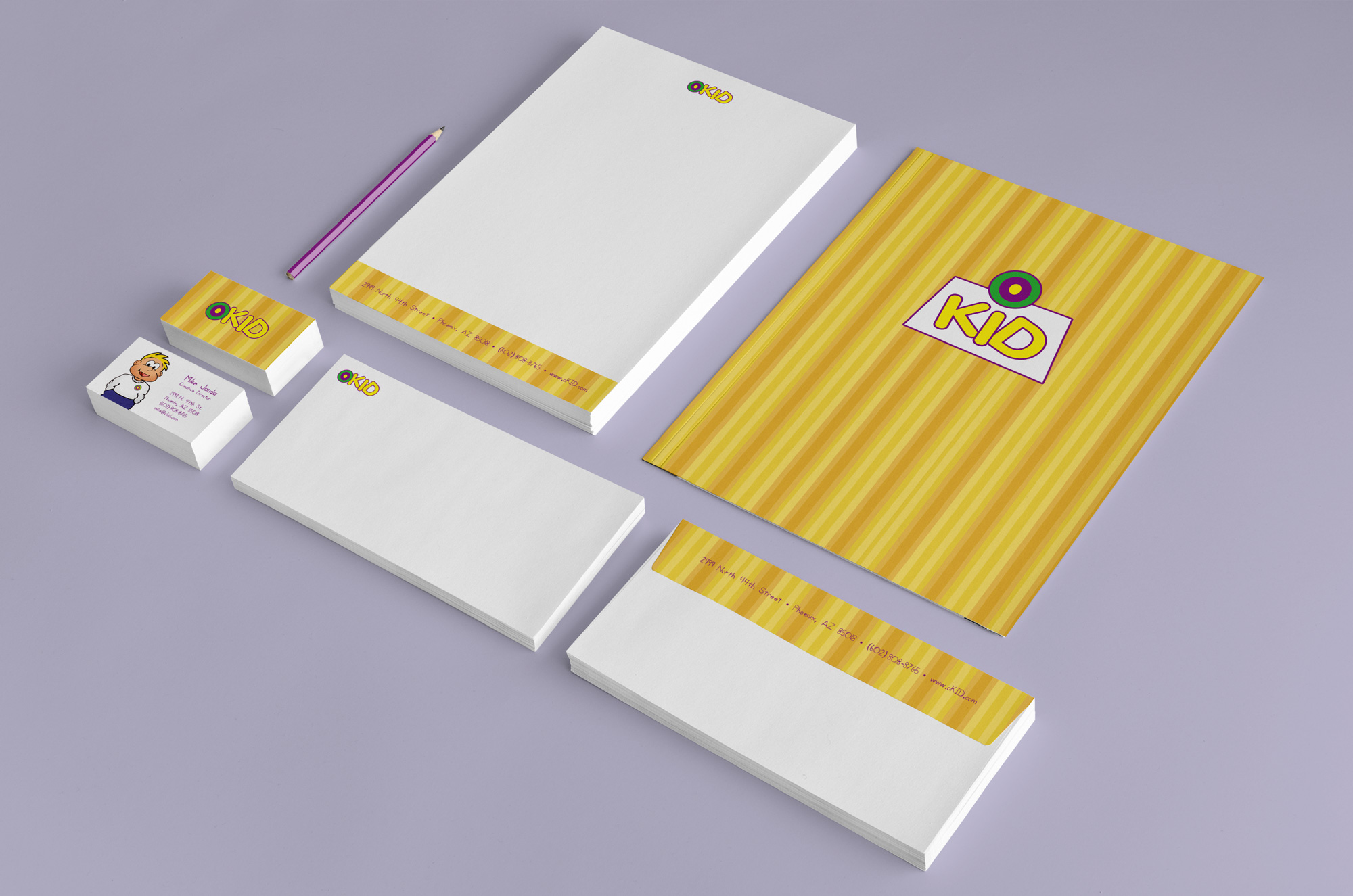
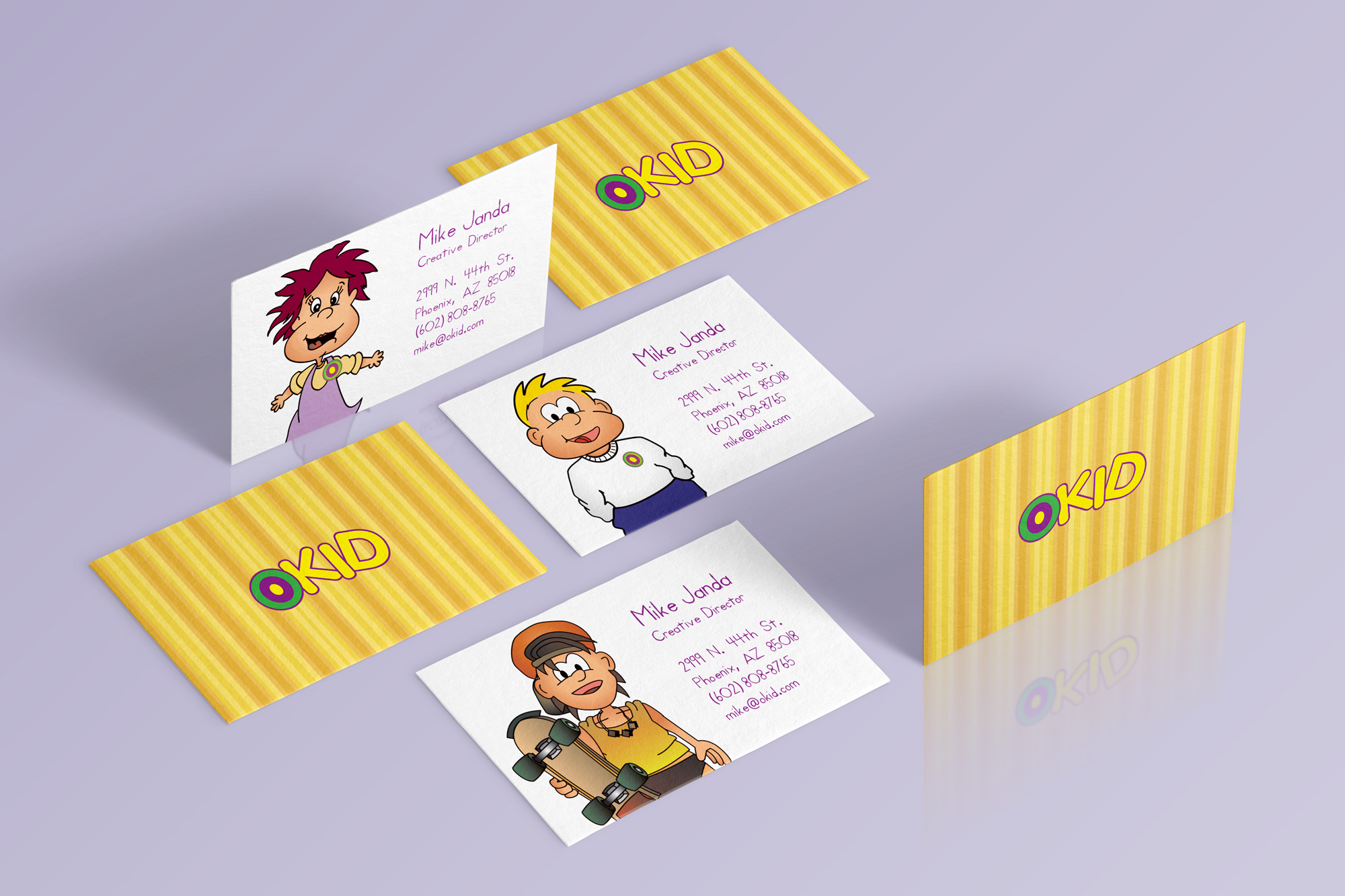
I designed oKID’s logo and initial brand iterations. As the Creative Director and originator of the oKID brand I oversaw all development of branded elements and content. From print collateral, to new characters and other marketing materials. Nothing was created without my involvement and stamp of approval.
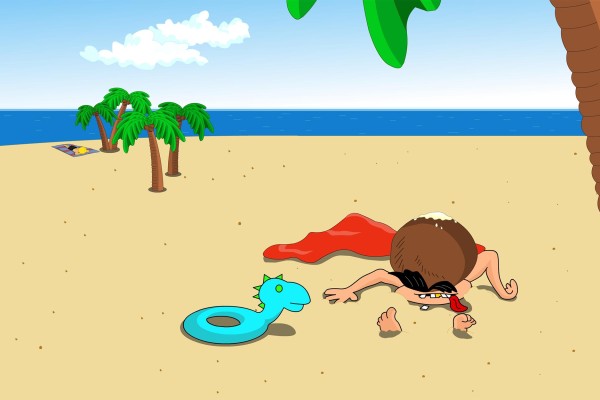
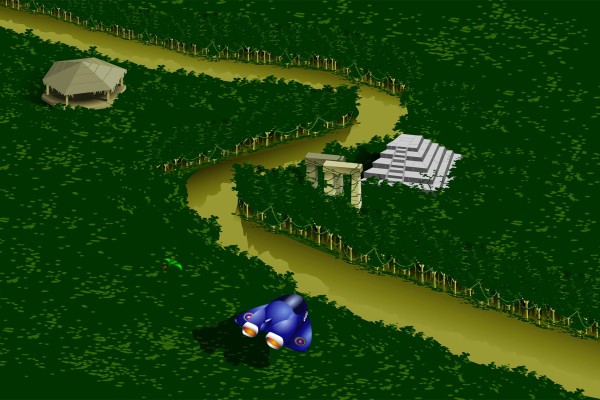
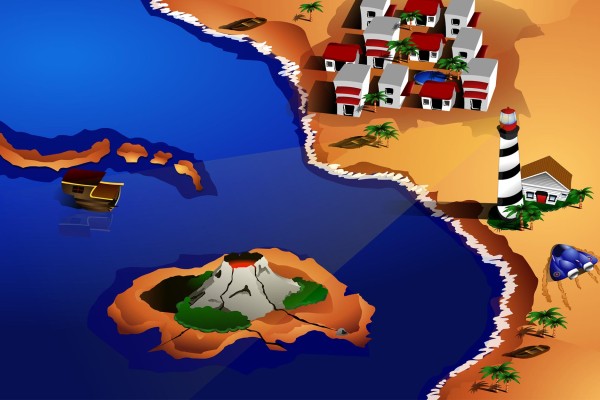
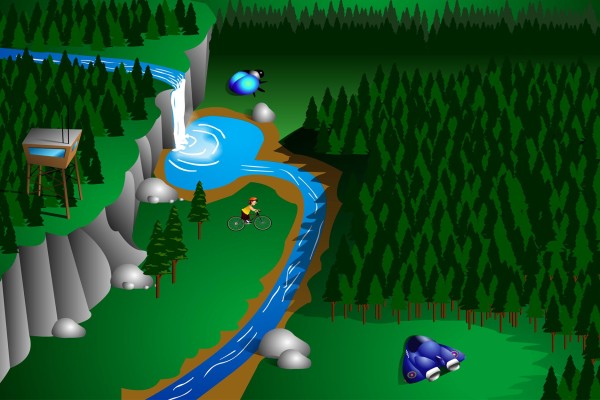
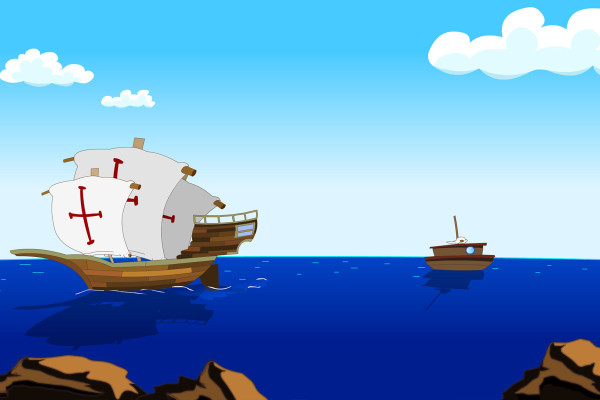
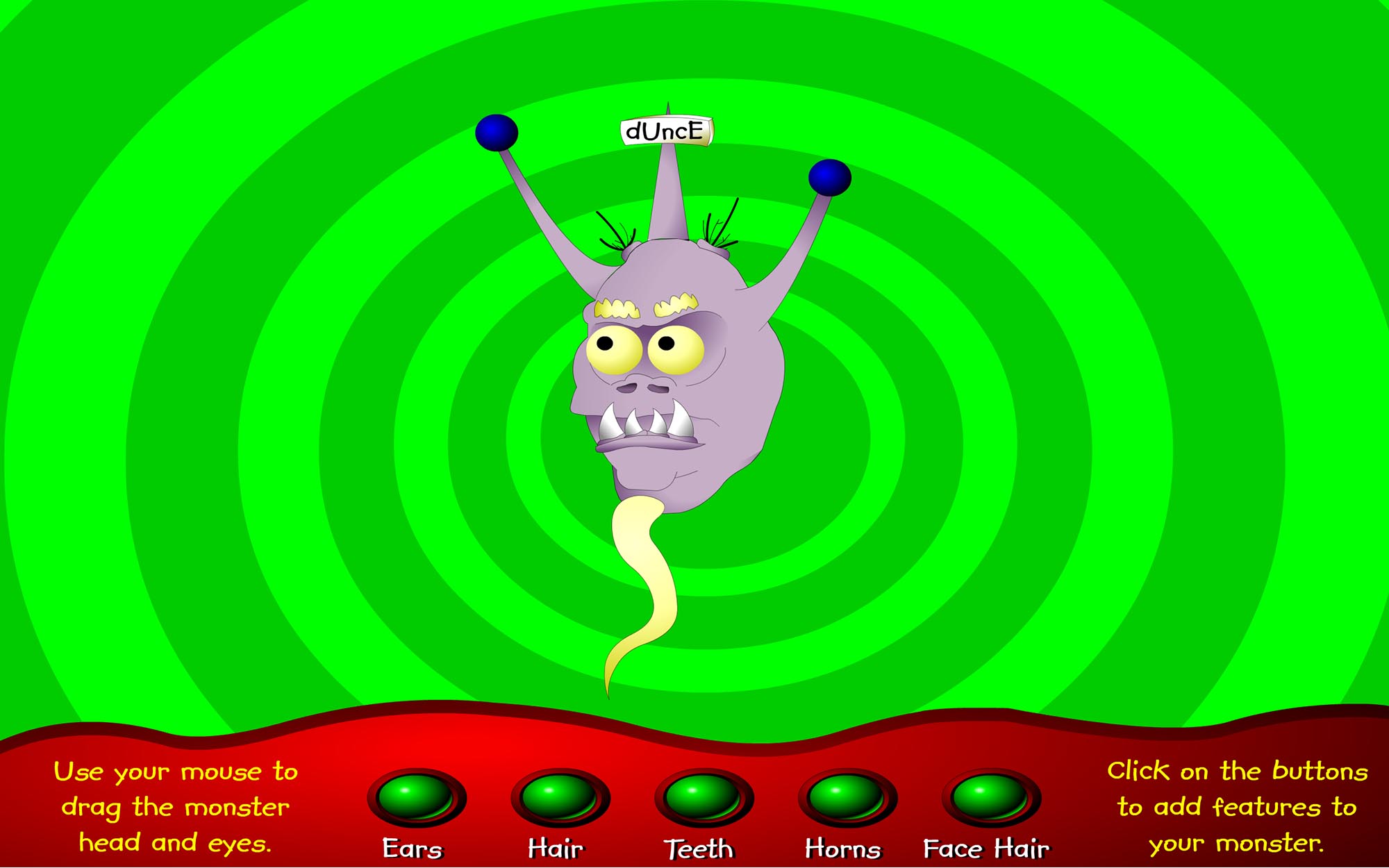
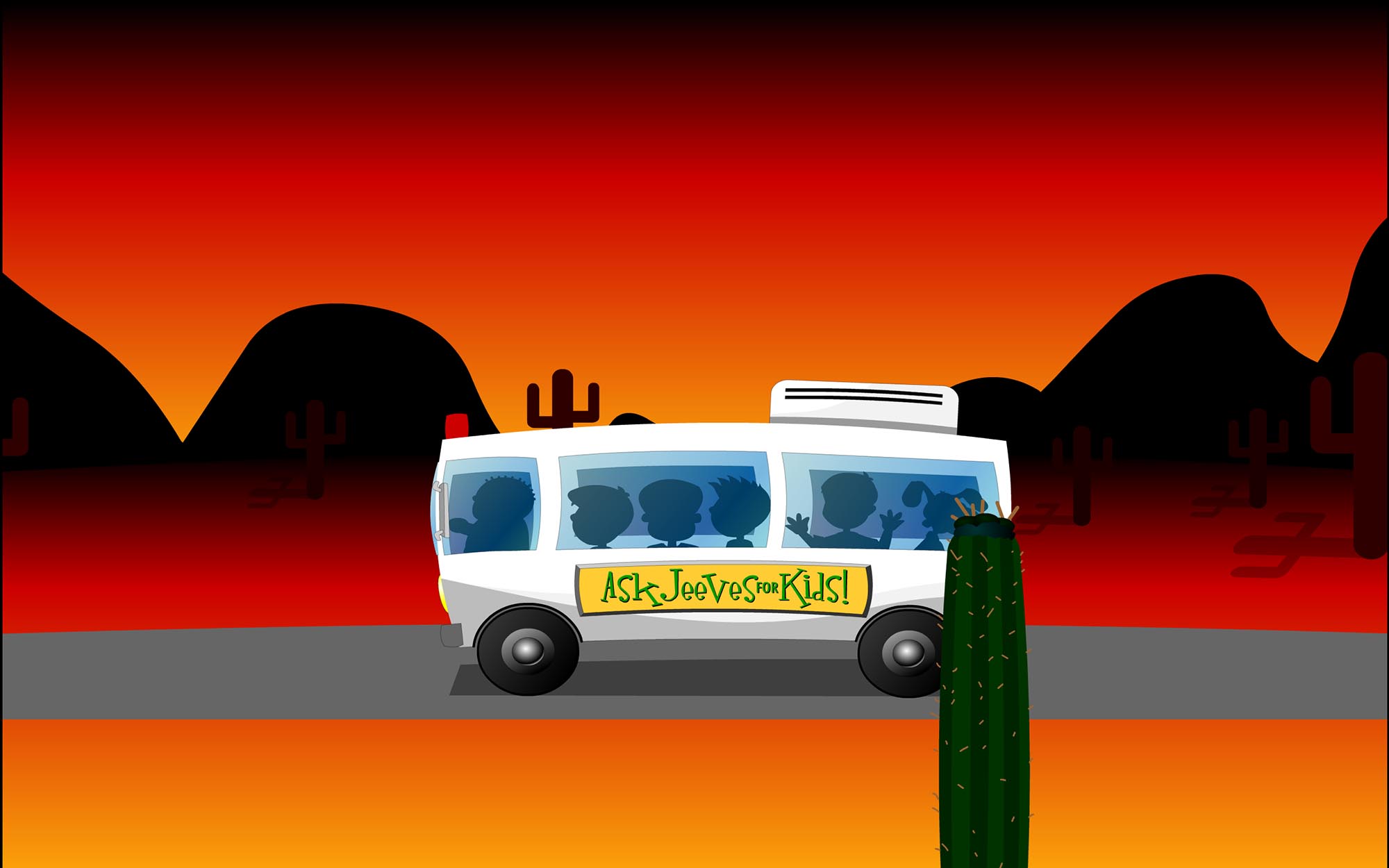
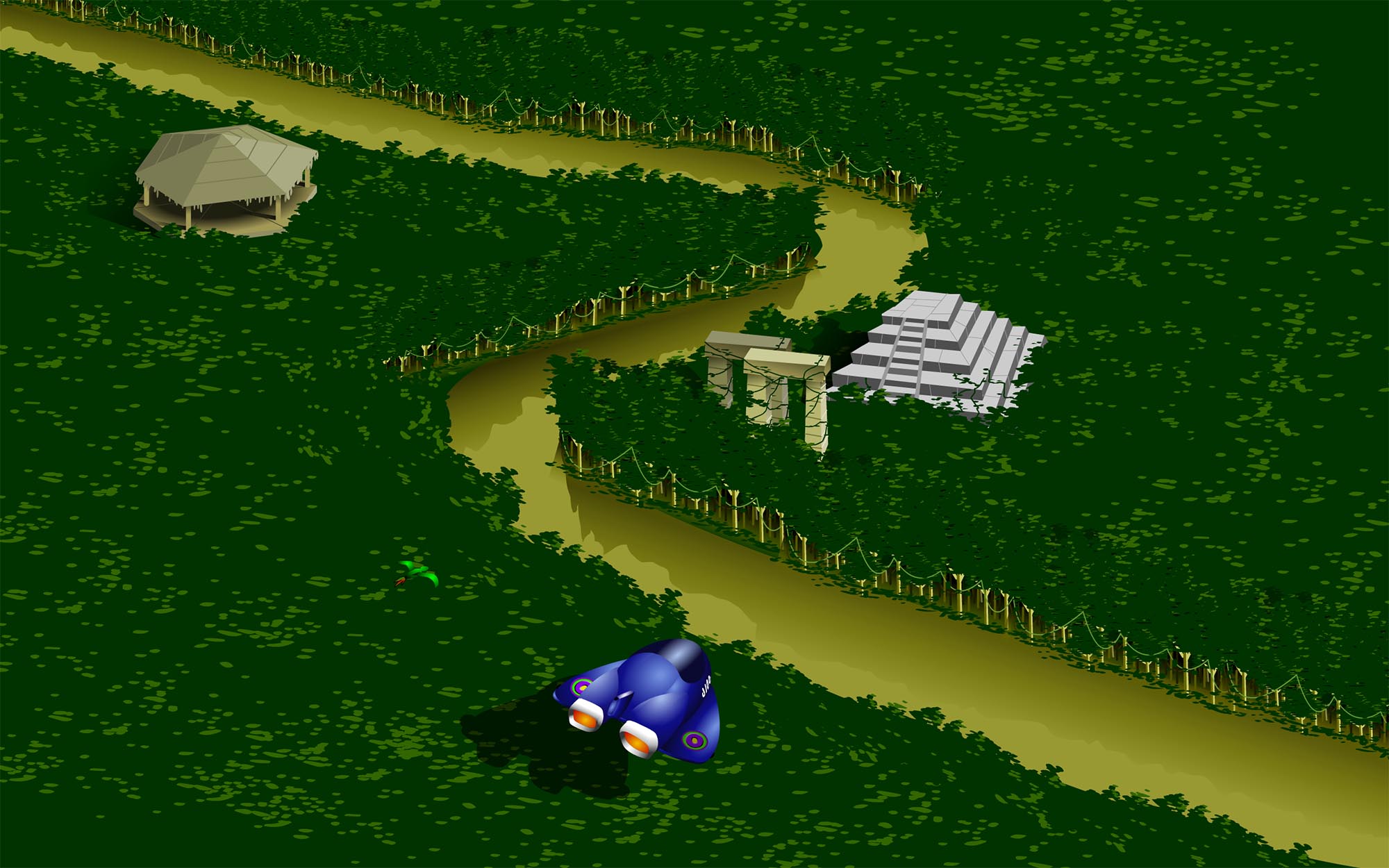
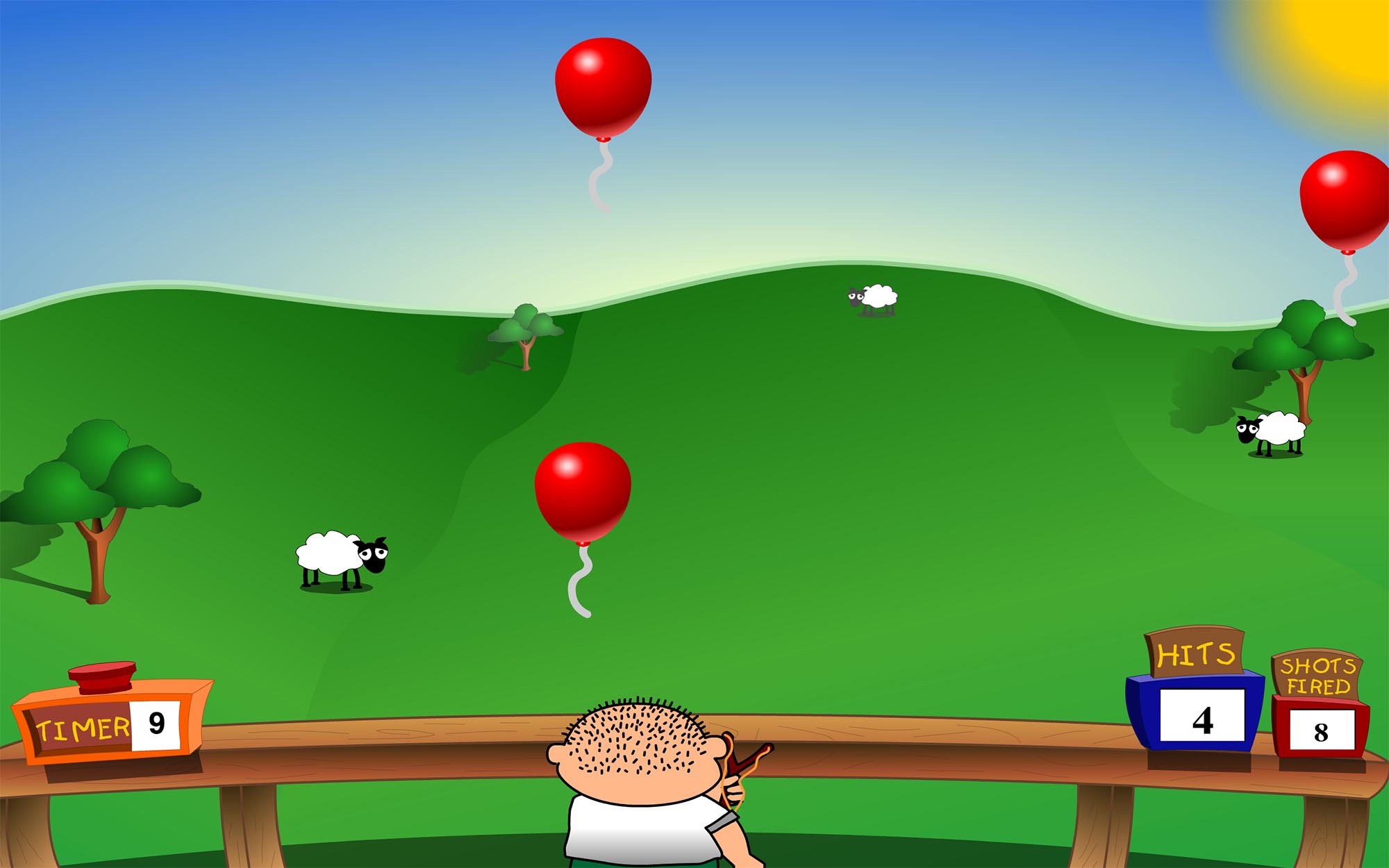
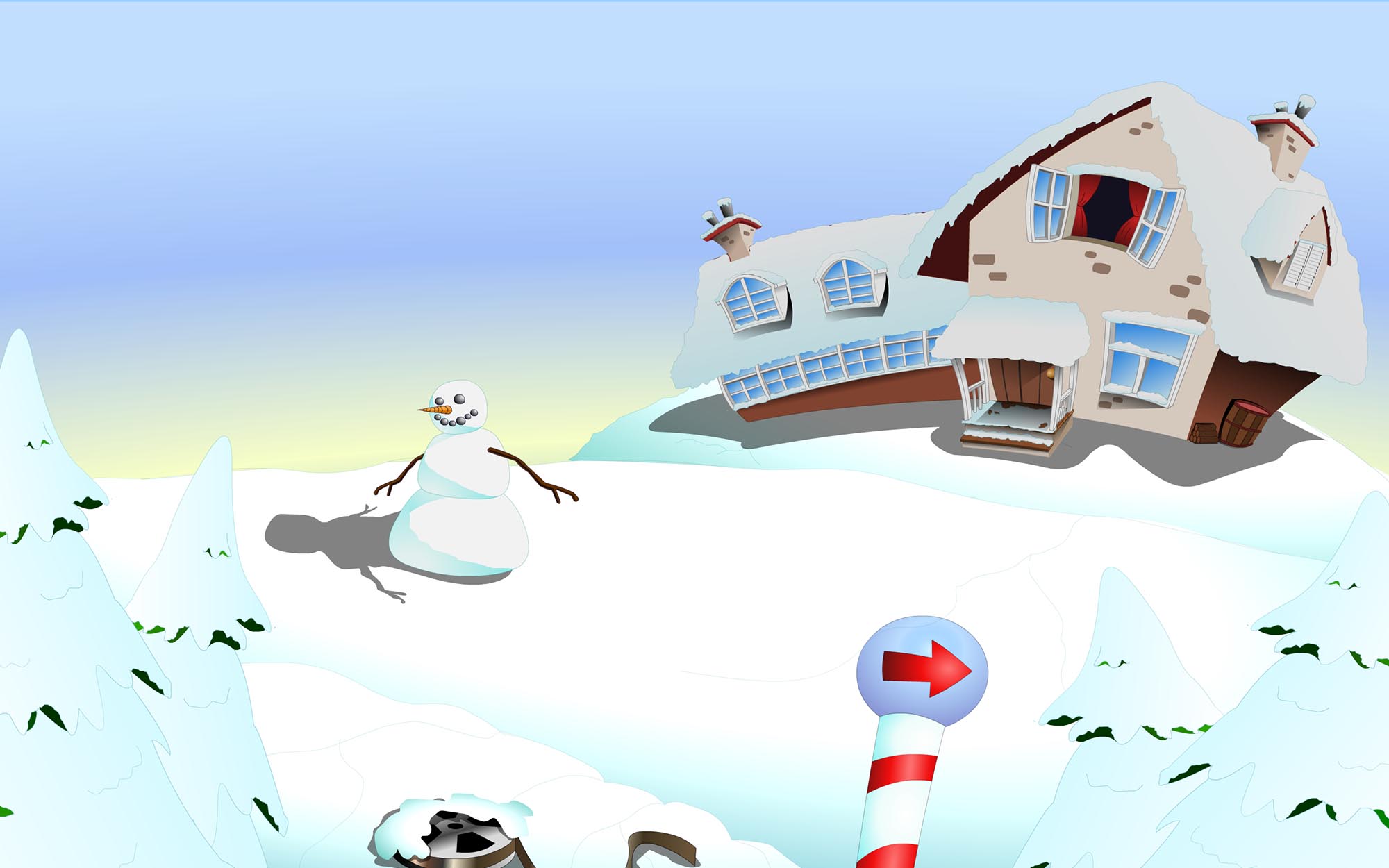
The oKID website included hundreds of pages, dozens of online games, dozens of online cartoons. Several geographic regions, the arctic, jungle, forest, desert, islands and so forth provided unique content customized for their specific area. Website stickiness was through the rough as children engaged with the robust content offering.